


A scratchy, irritated throat for a day or two is hardly cause for alarm. But when that discomfort drags on week after week — or keeps circling back no matter what you try — it deserves a real answer.
What makes chronic throat irritation so frustrating is how easy it is to mismanage. Patients often cycle through antibiotic courses, lozenges, and home remedies without any lasting benefit, simply because the actual cause was never identified. In ENT practice, Dr. Sudarshan Aahire sees this pattern regularly — and notes that the majority of persistent cases trace back to causes that have nothing to do with infection at all.
So, What Makes a Sore Throat “Persistent”?
A throat complaint falls into the persistent category when:
- Discomfort has continued for more than 7–10 days
- Symptoms return in cycles with no clear resolution
- Treatment that typically works for acute infections brings no relief
This matters because the path to the right treatment is very different depending on whether the cause is an active infection or ongoing irritation. Treating the wrong thing almost always leads back to square one.
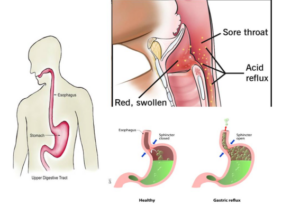
The Real Reasons Behind a Throat That Won’t Heal
A throat that stays sore or irritated for weeks is not always caused by a simple infection. Persistent throat symptoms may be linked to acid reflux, allergies, postnasal drip, tonsil problems, smoking, or chronic irritation that requires proper ENT evaluation.
Silent Acid Reflux (Laryngopharyngeal Reflux)
Most people think of acid reflux as heartburn — that familiar burning in the chest. But there’s a version of reflux that skips the chest entirely and lands in the throat. Known as laryngopharyngeal reflux or LPR, it can silently inflame the throat lining without ever producing classic digestive symptoms.
Watch for: a raw sensation in the throat that feels worse in the morning, habitual throat-clearing, and a slightly rough or tired-sounding voice.
Allergies and Mucus Drainage
An allergic immune response doesn’t just make eyes water and noses run — it also triggers mucus production in the nasal passages that can drain down the back of the throat. This post-nasal drip creates a cycle of irritation that keeps the throat perpetually inflamed.
Frequent triggers include fine dust, airborne pollen, pet dander, and seasonal shifts in air quality.
Overworked Vocal Cords
The larynx and surrounding throat tissue aren’t built for unlimited use. People whose jobs demand hours of sustained talking — educators, trainers, call handlers, speakers, performers — often develop chronic throat soreness as a result of cumulative vocal strain.
This isn’t an infection. It’s a mechanical stress response, and it won’t resolve with antibiotics or throat sprays.
Recurring Tonsil Inflammation
There’s a significant difference between a single tonsil infection and tonsillitis that becomes a recurring feature of someone’s health. In chronic tonsillitis, the tonsils never fully settle down between episodes, leaving the throat feeling perpetually sore and uncomfortable.
This may show up as regular bouts of throat pain, tonsils that remain noticeably enlarged, visible debris or stones lodged in tonsil crypts, and discomfort that outlasts each course of medication.
When tonsillitis reaches this stage, simple management may no longer be enough. An ENT evaluation determines whether ongoing medical care will suffice or whether a tonsillectomy is the more appropriate long-term solution.
Ongoing Exposure to Airborne Irritants
Urban environments introduce a steady stream of particulates, gases, and pollutants into the air we breathe — and the throat is right in their path. Dry recycled air from prolonged air conditioning, cigarette smoke (your own or others’), and occupational dust or chemical fumes all chip away at the throat’s mucosal lining over time.
Unlike an infection, this kind of damage doesn’t resolve with medication. It requires identifying and reducing the source of irritation. An ENT specialist can help map out where your exposure is highest and what practical steps will make a meaningful difference.

Warning Signs That Signal Something More Serious
Most persistent sore throats turn out to have a manageable cause — but some symptom combinations warrant faster action. See an ENT promptly if you notice:
- Throat pain lasting beyond two weeks without improvement
- Pain or difficulty when trying to swallow
- A hoarse voice that isn’t clearing up
- The persistent feeling of something lodged in the throat
- Weight loss you can’t account for
These symptoms in combination with chronic throat irritation need proper investigation to rule out underlying conditions that respond far better to early treatment.
Why “Wait and See” Isn’t Always the Right Move
There’s a natural temptation to hope that throat discomfort will eventually resolve on its own. In many acute cases, that’s reasonable. But for persistent symptoms, the longer the underlying cause goes unaddressed, the greater the risk of developing chronic inflammation, progressive vocal changes, or a delayed diagnosis of something that was far easier to treat earlier.
What an ENT Evaluation Actually Looks Like
An ENT specialist approaches throat complaints differently from a general practitioner. Rather than prescribing for the most likely infection, the focus is on mapping out the specific cause — because that’s the only way to prescribe the right treatment.
A typical evaluation may involve a hands-on examination of the throat and upper airway, laryngoscopy to directly assess the vocal cords and larynx, and screening tests for reflux or allergic conditions.
Dr. Sudarshan Aahire uses a methodical diagnostic approach — identifying the root cause first, then tailoring the treatment plan to match.
How Treatment Is Tailored to the Cause
There’s no single protocol for chronic sore throat because the causes vary so widely. Treatment is matched to what the workup reveals:
For reflux-related cases: dietary adjustments, positional modifications, and acid-suppressing medication.
For allergy-related cases: antihistamines, nasal sprays, and allergen reduction strategies.
For vocal strain: structured rest periods, hydration guidance, and sometimes voice therapy.
For chronic tonsillitis: escalating options from medication management through to tonsillectomy if recurrence patterns justify it.
For environmentally driven irritation: targeted exposure reduction and protective measures.
Three Myths Worth Correcting
Myth: Throat pain always means infection. The majority of long-lasting throat problems are non-infectious. Reflux, allergy, and environmental exposure are frequently the real culprits.
Myth: Antibiotics will clear it up. Antibiotics address bacterial infections only. They have no effect on reflux-related, allergic, or irritant-driven throat symptoms and can cause unnecessary side effects when misused.
Myth: Persistent symptoms will resolve without intervention. Some will — but if yours haven’t improved after two or more weeks, the right move is evaluation, not continued waiting.
When to Book an ENT Appointment
Consider scheduling a consultation if:
- Your throat has been uncomfortable for more than 10 days
- You experience throat pain repeatedly over the course of a month
- Your voice has changed or sounds consistently hoarse
- Swallowing has become uncomfortable
- Previous treatment hasn’t produced lasting relief
The earlier the cause is identified, the sooner appropriate treatment can begin — and the lower the risk of the condition becoming chronic.
A sore throat that persists is your body flagging something that needs attention. Whether the cause is silent reflux, allergen exposure, vocal overuse, or recurring tonsil inflammation, the treatment approach is very different from what works for a standard infection.
An ENT evaluation cuts through the guesswork. It identifies what’s actually happening — and gets you on the path to a throat that actually feels better.
Frequently Asked Questions
1. How many days before a sore throat becomes a concern?
Any throat symptom that hasn’t meaningfully improved by day 7–10 is worth having evaluated, especially if it’s been recurring or has failed to respond to initial treatment.
2. Can reflux cause throat problems without heartburn?
Absolutely. Laryngopharyngeal reflux is a form of reflux where the acid travels further up, irritating the throat directly — often with no chest symptoms at all.
3. Should I be worried about a sore throat that keeps coming back?
Recurrence is a signal that the underlying cause isn’t being addressed. It doesn’t always indicate something serious, but it does warrant investigation rather than another course of the same treatment.
4. Are antibiotics ever the right answer?
Yes — but only when a bacterial infection has been confirmed or is strongly suspected. For reflux, allergy, or environmental causes, antibiotics offer no benefit and are best avoided.
5. Can environmental factors really cause chronic throat pain?
Yes. Prolonged exposure to polluted air, cigarette smoke, or dry indoor environments can keep the throat in a constant state of low-grade irritation. Addressing the exposure is part of the treatment.
6. How do I know if I need an ENT rather than a general physician?
If your symptoms have persisted despite standard care, keep recurring, or include voice changes or swallowing difficulty, an ENT specialist has the diagnostic tools to go deeper and find the real cause.

Dr. Sudarshen Aahire is a young, talented, and vibrant ENT and Pediatric doctor in Nashik with 12 years of experience. Apart from routine ENT care and surgeries he specializes in the management of Snoring and obstructive sleep apnea surgeries, Endoscopic skull base surgeries, voice-related disorders, and voice surgeries, airway and swallowing disorders.