Key Takeaways
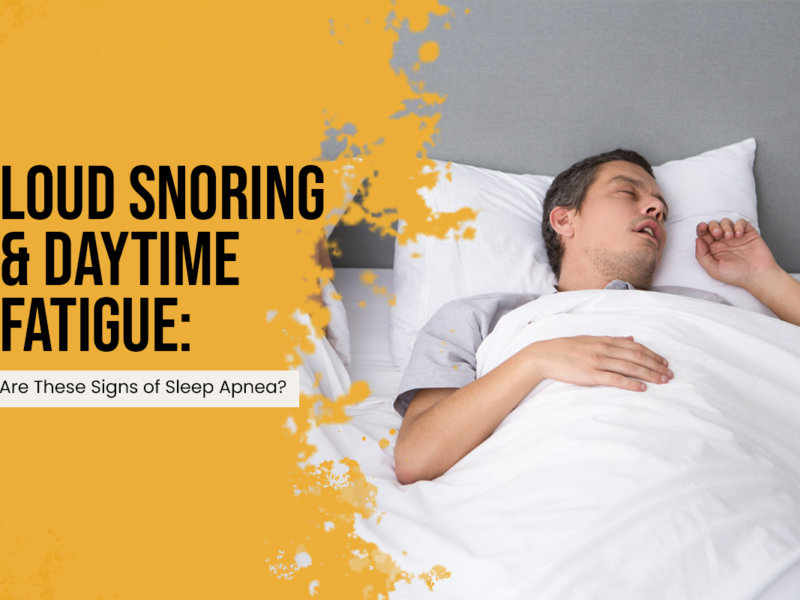
- Obstructive sleep apnoea in children is loud snoring punctuated by intermittent pauses in breathing, unlike harmless simple snoring.
- It is most commonly caused by severely enlarged adenoid and tonsil tissue obstructing the upper airway.
- Simple snorers are usually advised to wait and watch, while suspected sleep apnoea warrants clinical assessment to determine if surgery may help.
- Further investigations such as an X-ray or a sleep study may occasionally be necessary for diagnosis.
Children often snore and this in itself is usually not a problem.
Sometimes however, the upper airway of a child can be significantly obstructed leading to “obstructive sleep apnoea”, which is characterised by loud snoring punctuated by intermittent cessation of breathing.
This is most commonly due to severely enlarged adenoid and tonsil tissue.
If your child is a simple snorer then our advice would normally be to wait and watch as it is more than likely that he or she will grow out of the problem. Alternatively if you feel he or she is suffering from symptoms suggestive of “obstructive sleep apnoea” then do seek attention.
Following a clinical assessment we can usually advise as to whether surgery may be beneficial. Occasionally, further investigations with an X ray or a sleep study may also be necessary