
Introduction
Children who experience repeated ear infections or persistent hearing problems are often found to have fluid trapped behind the eardrum. Although medications can help in many cases, some children continue to experience hearing difficulties, delayed speech development, or recurrent infections despite treatment.
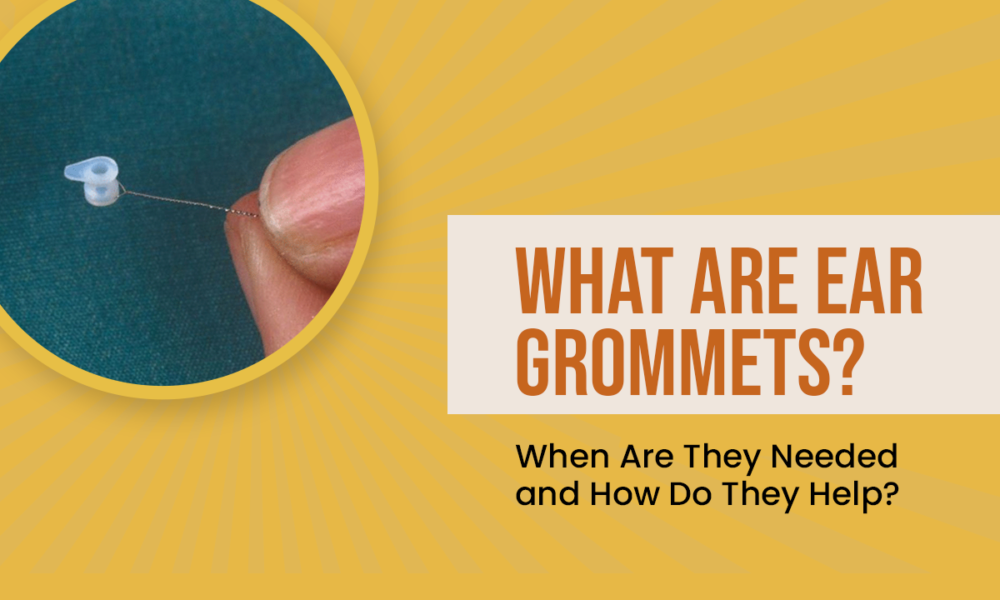
In such situations, ear grommets may be recommended. These tiny ventilation tubes are inserted into the eardrum to improve airflow within the middle ear, drain trapped fluid, and restore hearing. Ear grommet insertion is one of the most commonly performed ENT procedures in children and is also used in selected adults with chronic middle ear problems.
This guide explains what ear grommets are, why they are needed, how the procedure is performed, and what patients can expect during recovery.
Key Takeaways
- Ear grommets are tiny ventilation tubes inserted into the eardrum.
- They help drain fluid, improve hearing, and prevent recurrent ear infections.
- Glue ear is the most common reason for grommet insertion in children.
- The procedure is safe, quick, and usually performed as day-care surgery.
- Early treatment can improve hearing, speech development, and overall quality of life.
What Are Ear Grommets?
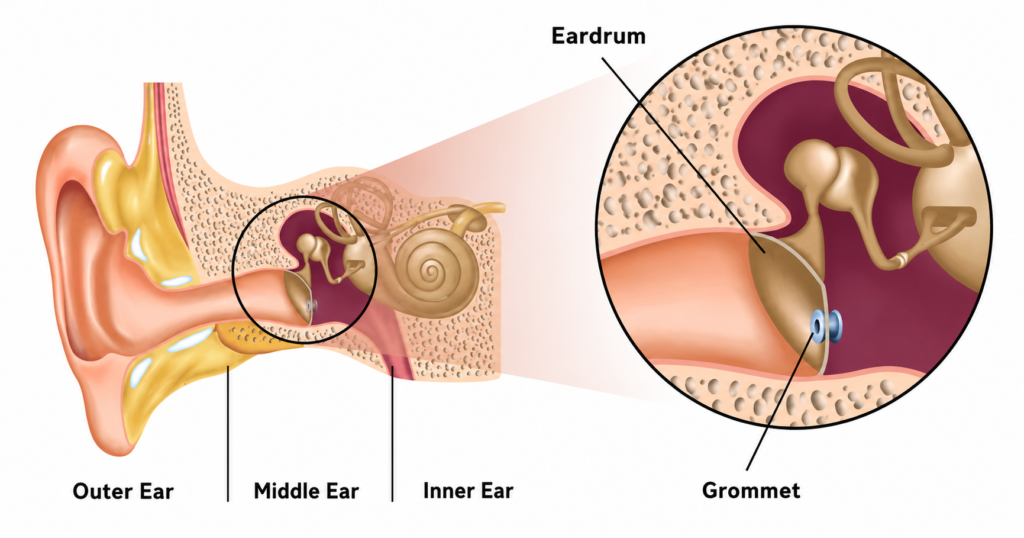
Ear grommets, also called ventilation tubes, tympanostomy tubes, or pressure-equalizing (PE) tubes, are small, hollow medical devices placed into the eardrum during a minor surgical procedure. They create a temporary passage that allows air to flow into the middle ear and helps drain trapped fluid, reducing pressure and supporting healthier ear function
Their main purpose is to:
- Ventilate the middle ear
- Drain trapped fluid
- Equalize pressure
- Prevent repeated fluid accumulation
- Improve hearing
Most grommets naturally fall out within 6–18 months as the eardrum heals.
How Does the Middle Ear Normally Work?
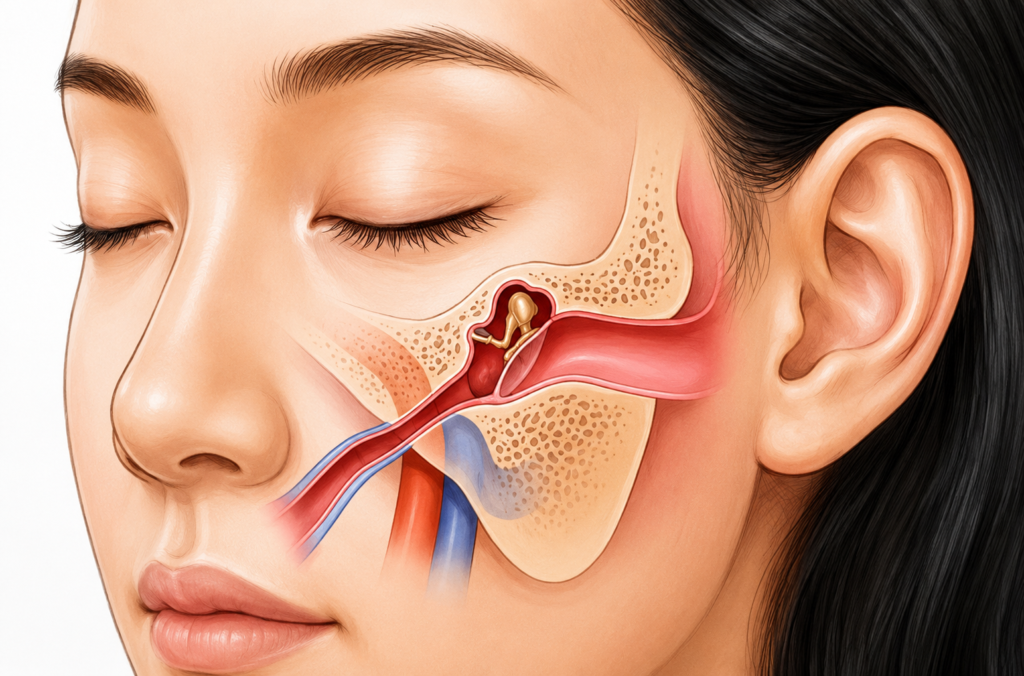
The middle ear is an air-filled space located behind the eardrum. It connects to the back of the nose through the Eustachian tube, which equalizes air pressure and allows fluid to drain normally.
When the Eustachian tube does not function properly, fluid accumulates behind the eardrum. This trapped fluid can reduce hearing, increase the risk of infections, and affect speech and language development in children.
Ear grommets bypass the blocked Eustachian tube by allowing air to enter the middle ear directly through the eardrum.
When Do Doctors Recommend Ear Grommets?
Ear grommets are recommended when fluid or infections continue despite appropriate medical treatment.
Common indications include:
Glue Ear (Otitis Media with Effusion)
Persistent fluid behind the eardrum lasting several months can reduce hearing and interfere with speech development.
Recurrent Ear Infections
Children experiencing multiple middle ear infections within a short period may benefit from grommets to reduce future infections.
Hearing Loss
Fluid trapped in the middle ear can reduce the transmission of sound, leading to temporary conductive hearing loss. In most cases, hearing improves once the fluid clears or is treated appropriately. . Grommets help restore normal hearing by removing the fluid.
Speech and Language Delay
Young children with prolonged hearing loss due to glue ear may experience delayed speech development. Improving hearing early supports normal language learning.
Eustachian Tube Dysfunction
Adults and children with chronic pressure imbalance, ear fullness, or repeated fluid build-up may benefit from ventilation tubes.
Barotrauma
Individuals who frequently fly or dive may require grommets when severe pressure changes repeatedly damage the middle ear.
Signs You May Need Ear Grommets?
Symptoms vary depending on age and the underlying condition.
Children may experience:
- Reduced hearing
- Delayed speech development
- Frequent ear infections
- Ear pain
- Poor attention in school
- Asking others to repeat themselves
- Turning up television volume
Adults may notice:
- Hearing loss
- Ear fullness
- Recurrent infections
- Pressure changes
- Persistent fluid sensation
How Is Glue Ear Diagnosed?
Diagnosing glue ear involves a combination of a detailed clinical examination and hearing assessments to confirm the presence of fluid in the middle ear and evaluate its impact on hearing.
Medical History
Your doctor will ask about your symptoms, including hearing difficulties, recurrent ear infections, speech or language development (in children), and any previous ear-related treatments or surgeries.
Ear Examination (Otoscopy)
Using an otoscope, the doctor examines the ear canal and eardrum to look for signs of fluid behind the eardrum, a retracted eardrum, or evidence of infection.
Tympanometry
Tympanometry is a quick, painless test that measures how well the eardrum moves. Reduced movement often indicates the presence of fluid in the middle ear.
Hearing Test (Audiometry)
An audiometry test evaluates hearing ability and helps determine the degree of hearing loss caused by glue ear. The results help your ENT specialist confirm the diagnosis, decide on the most appropriate treatment, and monitor hearing improvement over time.
Symptoms That May Indicate Ear Grommets Are Needed
Ear grommet insertion is a short, minimally invasive procedure.
The procedure usually involves:
- General anesthesia in children
- Local anesthesia in selected adults
- A tiny incision made in the eardrum (myringotomy)
- Removal of trapped fluid
- Placement of a small ventilation tube
- No external stitches
The ear grommet procedure is usually completed within 10 to 20 minutes. As it is performed as a day-care surgery, most patients are discharged and able to return home on the same day after a short recovery period.
Recovery After Ear Grommet Surgery
Recovery after ear grommet insertion is usually quick and uncomplicated. Most children recover well and can return to their normal routine within a day or two.
What to Expect During Recovery
Most children:
- Return home the same day after the procedure
- Resume school and regular activities within 24–48 hours
- Experience improved hearing within a few days as the fluid drains from the middle ear
- Attend regular follow-up appointments to ensure the grommets remain in place and the ears are healing properly
Parents should follow their ENT specialist’s instructions regarding swimming, ear protection, and the use of prescribed ear drops, if recommended.
Are Ear Grommets Safe?
Ear grommet insertion is considered a very safe and effective procedure with a high success rate.
Although complications are uncommon, they may include:
- Temporary ear discharge
- Blocked grommet
- Early extrusion
- Persistent eardrum perforation (rare)
- Recurrence of fluid after the grommet falls out
Regular follow-up helps detect and manage any problems early.
When Should You Consult an ENT Specialist?
Seek medical evaluation if you or your child has:
- Repeated ear infections
- Hearing loss lasting more than a few weeks
- Persistent glue ear
- Delayed speech development
- Ear fullness that does not improve
- Recurrent middle ear fluid
- Poor response to medical treatment
Early assessment helps prevent long-term hearing and speech complications.
Common Myths About Ear Grommets
Myth: Ear grommets permanently damage the eardrum.
Fact: In most cases, the eardrum heals naturally after the grommet falls out. Permanent damage or persistent perforation is uncommon, especially when the procedure is performed by an experienced ENT Doctor
Myth: Every child with an ear infection needs ear grommets.
Fact: No. Most ear infections respond well to medication and resolve without surgery. Ear grommets are typically recommended only for children with persistent middle ear fluid (glue ear), recurrent ear infections, or hearing problems that affect speech and development.
Myth: Ear grommet surgery is painful.
Fact: Ear grommet insertion is a short, minimally invasive procedure performed under anesthesia. Most children experience little discomfort and return to their normal activities within one to two days.
Myth: Ear grommets stay in the ear forever.
Fact: Ear grommets are temporary. They usually fall out on their own within 6 to 18 months as the eardrum heals, and the tiny opening typically closes naturally without additional treatment.
FAQs
Are ear grommets permanent?
No. Most grommets naturally fall out within 6–18 months, and the eardrum usually heals on its own.
Can adults get ear grommets?
Yes. Adults with chronic Eustachian tube dysfunction, persistent middle ear fluid, or recurrent ear infections may also benefit from ear grommets.
Can my child swim after getting ear grommets?
Most children can swim normally after recovery, although ear protection may be recommended in certain situations. Follow your ENT doctor’s advice.
Will hearing improve immediately after ear grommet surgery?
Many patients notice improved hearing within a few days after the trapped fluid is removed, although complete recovery may vary depending on the underlying condition.
How long does ear grommet surgery take?
The procedure usually takes 10–20 minutes, and most patients are discharged on the same day.