
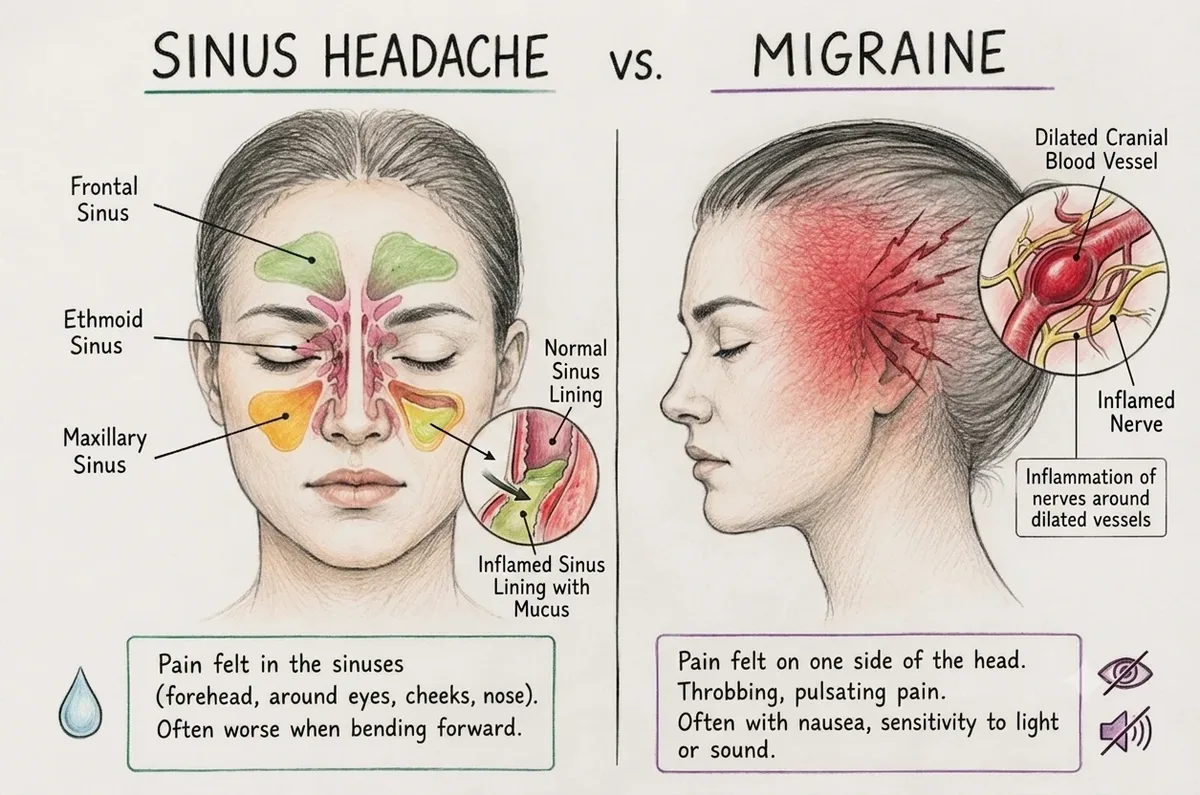
Many people confuse a sinus headache with a migraine – and it happens more often than you think. In fact, studies suggest that up to 90% of self-diagnosed “sinus headaches” are actually migraines. Getting the diagnosis wrong means getting the treatment wrong too.
If you live in Nashik and you’ve been battling recurring headaches with facial pressure or nasal congestion, this guide by Dr. Sudarshen Ahire, ENT Specialist in Nashik, will help you understand the key differences between sinus headache vs migraine – so you can get the right care, faster.
Key Takeaway
- Sinus headaches are caused by inflammation or infection of the sinuses and are usually accompanied by nasal symptoms such as congestion, facial pressure, and coloured nasal discharge.
- Migraines are neurological conditions that commonly cause one-sided throbbing pain, nausea, and sensitivity to light or sound.
- Because symptoms can overlap, obtaining an accurate diagnosis is essential to ensure appropriate treatment and long-term symptom relief.
What Is a Sinus Headache?
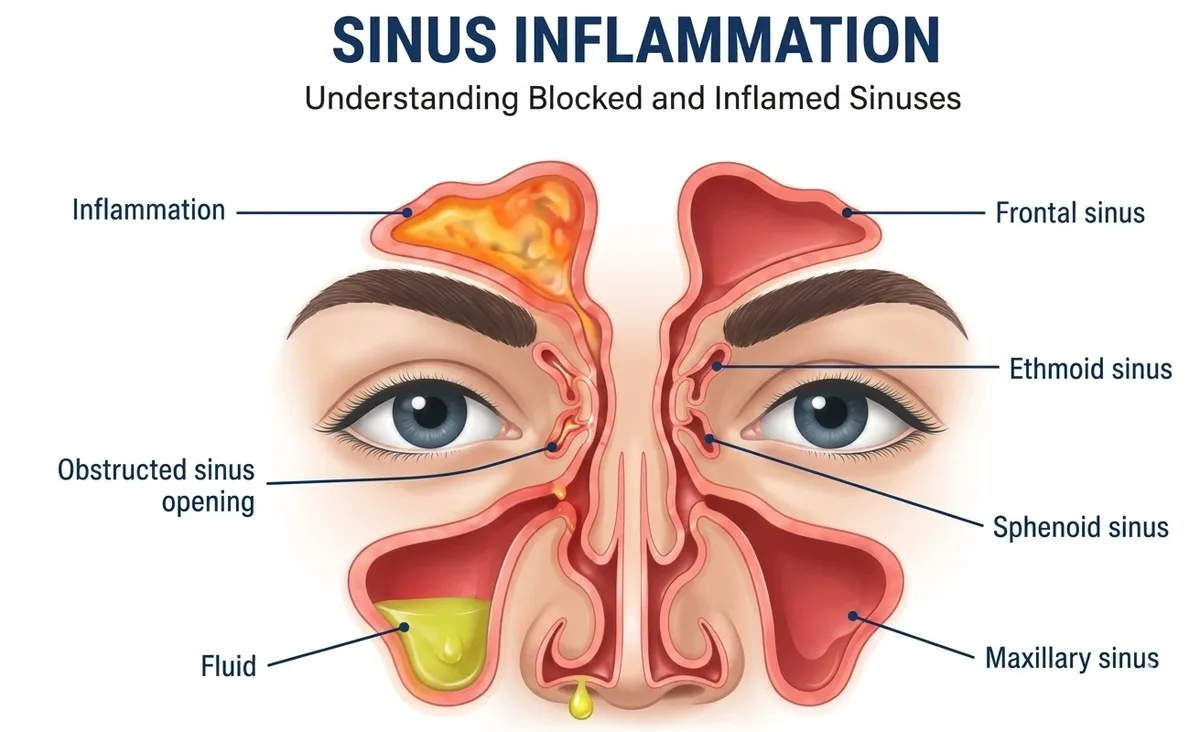
A sinus headache is pain caused by inflammation or infection of the sinuses (sinusitis). It creates pressure and dull, throbbing pain around the forehead, cheekbones, and nose -areas where the sinuses are located. It is almost always accompanied by nasal symptoms such as congestion, discoloured discharge, or a reduced sense of smell.
What Is a Migraine?
A migraine is a neurological condition that causes moderate to severe, often one-sided head pain. It is not caused by sinus inflammation. Migraines can produce nasal symptoms like congestion or watery eyes due to nerve involvement – which is why they are so commonly mistaken for sinus headaches.
What Causes Each Condition?
Causes of Sinus Headaches:
- Bacterial, viral, or fungal sinus infection (sinusitis)
- Seasonal allergies leading to sinus inflammation
- Nasal polyps or a deviated nasal septum
- Environmental irritants such as dust, smoke, or pollution
- Blocked sinus drainage due to structural issues
Causes of Migraines:
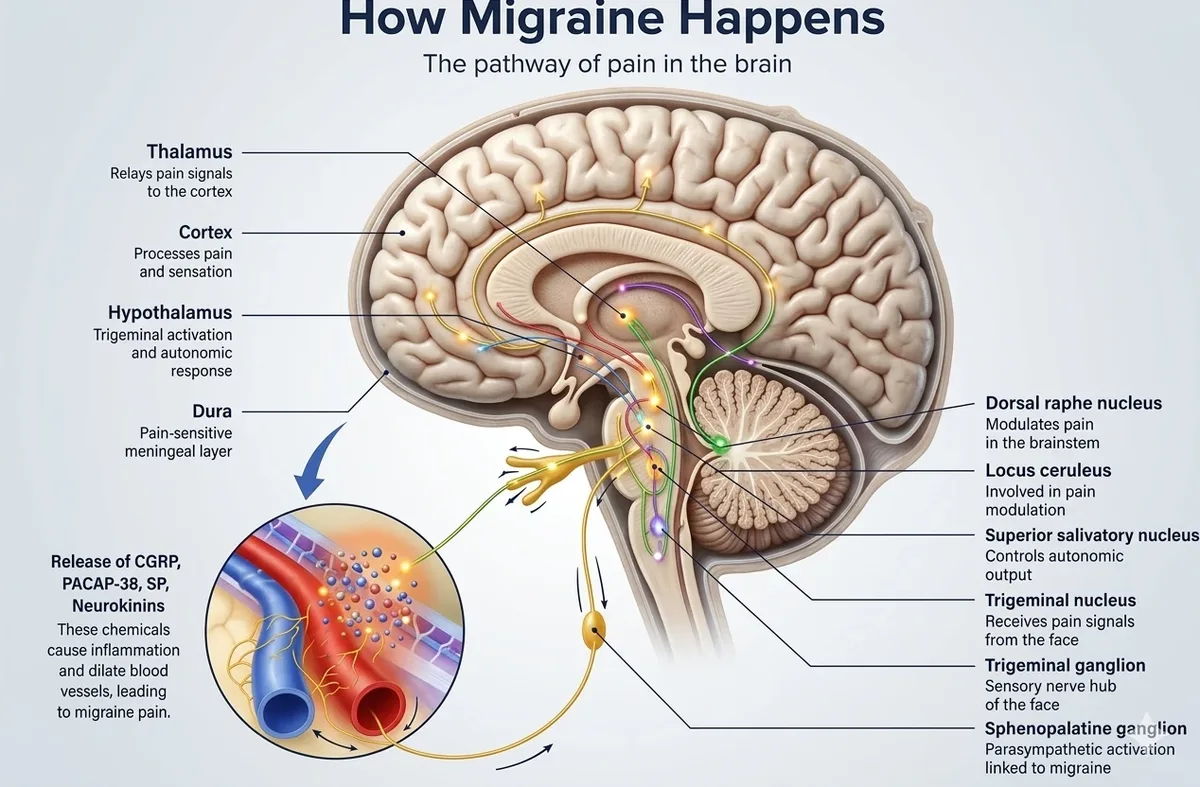
- Hormonal changes (especially in women)
- Stress, anxiety, or sleep disruption
- Bright lights, loud sounds, or strong smells
- Certain foods or drinks (chocolate, caffeine, alcohol)
- Weather changes or barometric pressure shifts
- Genetic predisposition (migraines often run in families)
Key insight: Barometric pressure changes can trigger both sinusitis flare-ups and migraines – this overlap is one reason the two conditions are so often confused.
Symptoms to Watch For
Sinus Headache – Typical Symptoms:
- Dull, deep pressure pain behind the forehead, cheeks, eyes, or nose
- Pain that worsens when you bend forward or lie down
- Thick, yellow or green nasal discharge
- Nasal congestion and difficulty breathing through the nose
- Facial swelling or tenderness when you press on your cheeks/forehead
- Reduced sense of smell or taste
- Low-grade fever (in case of infection)
- Symptoms that improve with decongestants or nasal sprays
Migraine – Typical Symptoms:
- Moderate to severe pulsating or throbbing pain, often on one side of the head
- Nausea, vomiting, or loss of appetite
- Sensitivity to light (photophobia) and sound (phonophobia)
- Pain that worsens with physical activity
- Visual disturbances or “aura” before the headache (flashes, blind spots)
- Clear, watery nasal discharge (not thick or coloured)
- Episodes lasting 4 to 72 hours
- No fever
Quick rule of thumb: If your headache comes with nausea and light sensitivity but no fever or thick nasal discharge – it is far more likely to be a migraine than a sinus headache.
Sinus Headache vs Migraine: Key Differences at a Glance
| Feature | Sinus Headache | Migraine |
| Cause | Sinus inflammation or infection | Neurological disorder |
| Pain Type | Pressure, heaviness | Throbbing, pulsating |
| Nasal Congestion | Common | May occur occasionally |
| Thick Nasal Discharge | Common | Rare |
| Nausea | Uncommon | Common |
| Light Sensitivity | Rare | Common |
| Fever | May be present | Rare |
| Duration | Until sinus issue resolves | Typically 4–72 hours |
How Is the Difference Between a Sinus Headache and Migraine Diagnosed?
Accurate diagnosis is critical because the treatments are completely different.
Medical History and Symptom Review
Your doctor will review the frequency, duration, triggers, and associated symptoms of your headaches. Information about nausea, light sensitivity, nasal symptoms, and headache patterns can provide important diagnostic clues.
Nasal Endoscopy
A nasal endoscopy may be performed to directly examine the nasal passages and sinus openings for signs of inflammation, infection, nasal polyps, or structural abnormalities.
CT Scan of the Sinuses
A CT scan of the sinuses provides detailed images of the sinus cavities and can help detect inflammation, polyps, chronic sinus disease, or blockages.
Allergy Testing
If allergies are suspected, allergy testing may be recommended to identify triggers contributing to sinus inflammation and recurrent symptoms.
Neurological Evaluation
If migraine is suspected, further evaluation by a neurologist may be recommended to confirm the diagnosis and rule out other neurological conditions.
Treatment & Management Options
Treating Sinus Headaches
Treatment for sinus headaches focuses on addressing the underlying sinus inflammation or infection.
Antibiotics
Antibiotics may be prescribed when bacterial sinusitis is confirmed. They are not routinely recommended for viral infections.
Nasal Corticosteroid Sprays
Nasal steroid sprays help reduce inflammation within the nasal passages and sinuses, improving drainage and relieving pressure.
Saline Nasal Rinses
Saline irrigation helps flush out mucus, allergens, and irritants, reducing congestion and promoting sinus drainage.
Decongestants
Decongestants may provide short-term relief from nasal blockage and sinus pressure. They should be used only as directed.
Antihistamines
If allergies are contributing to sinus inflammation, antihistamines can help control symptoms and reduce recurrent headaches.
Functional Endoscopic Sinus Surgery (FESS)
FESS may be recommended for chronic sinusitis that does not respond to medication or for structural problems such as nasal polyps or a deviated nasal septum.
Treating Migraines
Migraine treatment aims to relieve symptoms, reduce attack frequency, and improve quality of life.
Pain-Relief Medications
Pain-relief medications, including NSAIDs and migraine-specific drugs, may be used to manage acute migraine attacks.
Preventive Medications
Individuals with frequent migraines may benefit from preventive medications such as beta-blockers, antidepressants, or anti-epileptic drugs.
Lifestyle Changes
Maintaining regular sleep patterns, staying hydrated, exercising regularly, and managing stress can help reduce migraine frequency.
Avoiding Known Triggers
Keeping a headache diary can help identify personal triggers such as certain foods, stress, weather changes, or lack of sleep.
Cold or Warm Compresses
Applying cold or warm compresses during a migraine episode may provide temporary symptom relief.
Important: Avoid self-medicating with over-the-counter sinus medications if you suspect migraines, as inappropriate treatment may delay diagnosis and potentially worsen symptoms over time.
When Should You See a Doctor?
See an ENT specialist promptly if you experience any of the following:
- Headaches that are severe, sudden, or described as the “worst headache of your life”
- Headaches accompanied by high fever, stiff neck, or vision changes
- Facial pain associated with swelling around the eyes
- Recurrent headaches lasting longer than three months
- Nasal symptoms that do not improve with over-the-counter treatment after 10 days
- Headaches that interfere with your daily activities, work, or sleep
Persistent or recurrent headaches should not be ignored, especially when accompanied by nasal symptoms or facial pressure. A thorough medical evaluation can help identify the underlying cause and guide appropriate treatment.
Conclusion
Understanding the difference between a sinus headache and a migraine is the first step toward real relief. These two conditions feel similar but have very different causes -and they need very different treatments.
If you have been living with recurring headaches in Nashik and are not sure what is causing them, do not wait. Dr. Sudarshen Ahire, a trusted ENT Specialist in Nashik, can help you get an accurate diagnosis and a personalized treatment plan -so you can finally get back to living without pain.
FAQs
How can I tell if my headache is a sinus headache or a migraine?
The key difference is in the accompanying symptoms. A sinus headache comes with nasal congestion, thick coloured nasal discharge, facial tenderness, and sometimes fever. A migraine causes nausea, sensitivity to light or sound, and throbbing one-sided pain -and may have clear watery nasal discharge due to nerve activity, but no infection. If you are unsure, consult an ENT specialist for a proper diagnosis.
Can a sinus problem cause a migraine?
Yes. Chronic sinusitis and nasal obstruction can act as triggers for migraines in people who are already prone to them. Inflammation, barometric pressure changes due to blocked sinuses, and disrupted sleep from nasal congestion can all set off a migraine episode. Treating the underlying sinus condition often reduces migraine frequency in such cases.
Why do my “sinus headaches” not respond to sinus medication?
If decongestants and sinus sprays do not relieve your headache, there is a strong chance it is actually a migraine. Research shows that over 80–90% of people who self-diagnose with sinus headaches are actually suffering from migraines. Migraine treatments -not sinus medications -are what you need. See a specialist for the correct diagnosis.
Is it safe to treat sinus headaches at home?
Mild sinus discomfort may respond to saline nasal rinses, steam inhalation, and rest. However, if symptoms persist beyond 10 days, worsen significantly, or are accompanied by high fever, it is important to see a doctor. Untreated bacterial sinusitis can lead to serious complications. Never rely solely on home remedies for recurring or severe headaches.
When should I see an ENT doctor for my headache?
See an ENT doctor if your headaches are accompanied by nasal congestion, facial pressure, loss of smell, or thick nasal discharge lasting more than 10 days. Also visit an ENT if you have had recurring sinus infections, a deviated nasal septum, or nasal polyps, as these structural issues can cause chronic headaches.