
A persistent ringing, buzzing, or hissing sound in your ears that no one else can hear can be frustrating and even distressing. Many people searching for tinnitus treatment often receive conflicting information — some are told that tinnitus is caused only by stress, that it is permanent, or that nothing can be done about it. In reality, these beliefs are not entirely accurate.
At Dr. Sudarshen Ahire’s ENT clinic in Nashik, tinnitus is one of the most commonly evaluated conditions, and most patients are relieved to learn that while it may not always be completely curable, it is often explainable, manageable, and treatable.
Key Takeaway
- Tinnitus is a symptom, not a disease.
- Most cases have an identifiable underlying cause.
- Treatment can significantly reduce symptoms.
- Sound therapy, hearing care, and counselling are often effective.
- Persistent or one-sided tinnitus should be evaluated by an ENT specialist.
What Is Tinnitus?
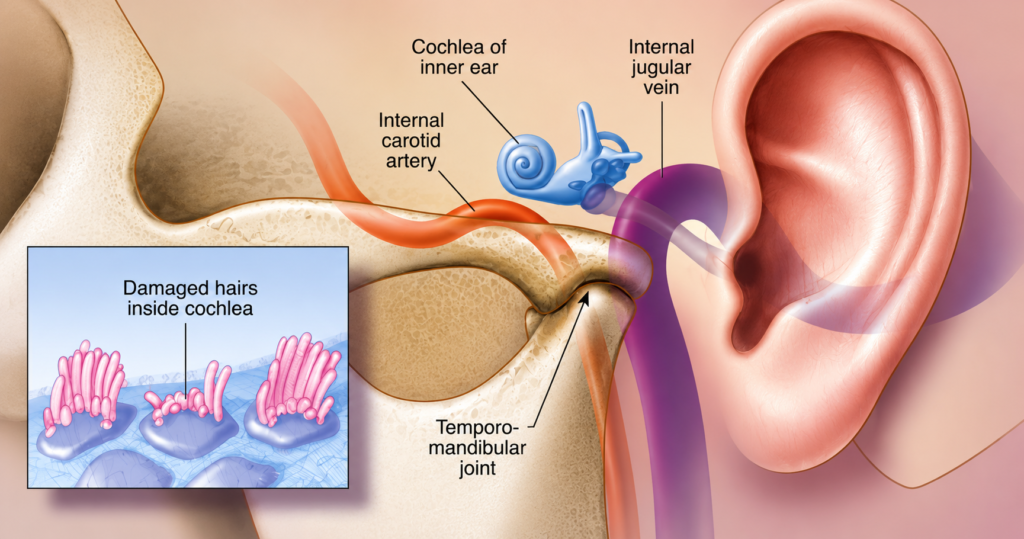
Tinnitus is the perception of sound in the ears or head without any external source. It is not a disease itself but a symptom of an underlying issue affecting the hearing system, inner ear, auditory nerve, or, less commonly, blood vessels.
It may be temporary, following loud noise exposure, or chronic, lasting more than three months and requiring evaluation by an ENT specialist.
What Causes Tinnitus?
Tinnitus rarely has a single cause. In most cases, it develops because of changes in how the ear or auditory system processes sound.
Age-Related Hearing Loss (Presbycusis)
As people age, the delicate sensory hair cells within the inner ear naturally deteriorate. This age-related hearing loss, known as presbycusis, is one of the most common causes of tinnitus. The reduced hearing input can cause the brain to perceive ringing, buzzing, or other phantom sounds.
Noise-Induced Hearing Loss
Prolonged exposure to loud sounds, such as industrial machinery, traffic noise, concerts, or high-volume headphone use, can permanently damage the inner ear. This damage often results in hearing loss accompanied by tinnitus. Using hearing protection and keeping the volume at safe levels can help reduce the risk.
Earwax Blockage
Excessive earwax can block the ear canal and interfere with normal hearing, sometimes leading to temporary tinnitus. Once the blockage is safely removed by a healthcare professional, the ringing or buzzing often improves or disappears.
Ear Infections and Fluid Build-Up
Middle or inner ear infections, as well as fluid accumulation behind the eardrum, can disrupt normal hearing and trigger tinnitus. Treating the underlying infection or inflammation usually helps relieve these symptoms.
Ménière’s Disease
Ménière’s disease is an inner ear disorder that commonly causes episodes of tinnitus, dizziness (vertigo), hearing loss, and a feeling of fullness in the ear. Early diagnosis and appropriate treatment can help manage symptoms and reduce their impact on daily life.
High Blood Pressure and Blood Vessel Disorders
Conditions affecting blood circulation can lead to pulsatile tinnitus, a type of tinnitus where the sound follows the heartbeat. Managing blood pressure and evaluating underlying vascular conditions are important steps in treating this form of tinnitus.
Stress and Anxiety
Although stress and anxiety do not directly cause tinnitus, they can make existing symptoms more noticeable and distressing. Managing stress through relaxation techniques, regular exercise, good sleep, or counselling can improve coping and reduce the overall impact of tinnitus.
Common Myths About Tinnitus
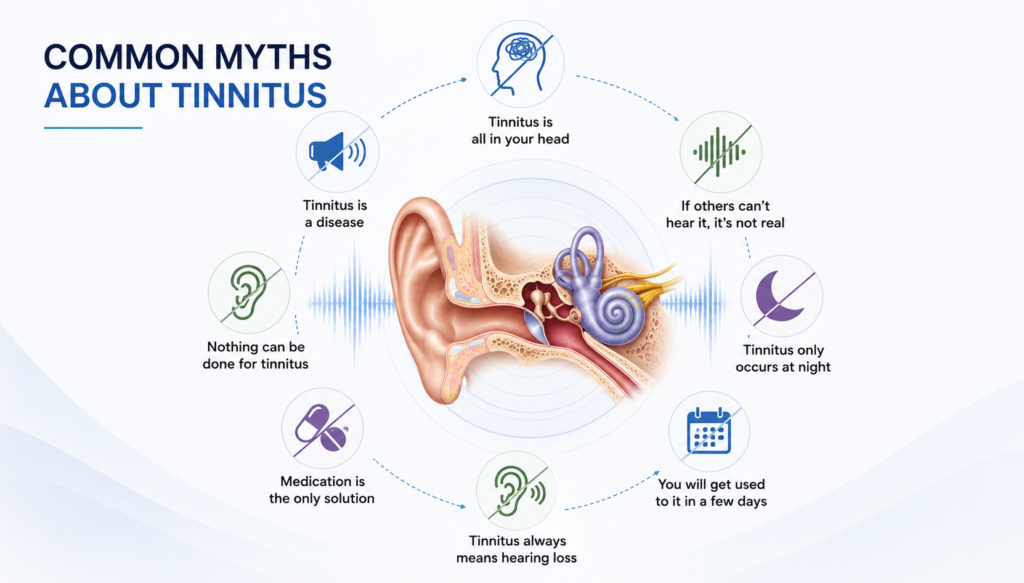
Misconceptions about tinnitus often delay people from seeking proper treatment.
Myth: Tinnitus Means You’re Going Deaf
Tinnitus is often associated with hearing loss, but it does not mean you will eventually become deaf. Some people with tinnitus have only mild hearing loss, while others have completely normal hearing. An ENT evaluation and hearing test can determine whether hearing loss is present.
Myth: Nothing Can Be Done About Tinnitus
Although there is no single cure for tinnitus, many effective treatment options are available. Depending on the underlying cause, patients may benefit from medical treatment, hearing aids, sound therapy, tinnitus retraining therapy, or counselling, leading to significant symptom improvement.
Myth: Tinnitus Is Only Psychological
Tinnitus is a real medical symptom caused by changes within the hearing system or related structures. While stress, anxiety, and poor sleep do not cause tinnitus directly, they can make the condition seem louder or more bothersome. Managing these factors often improves overall symptom control.
Myth: Only Older Adults Develop Tinnitus
Tinnitus can affect people of all ages. Increasing exposure to loud music, headphones, workplace noise, and recreational noise has led to a growing number of younger adults and even adolescents experiencing tinnitus. Protecting your hearing is important regardless of age.
Symptoms to Watch For
- Persistent ringing, buzzing, hissing, clicking, or whistling sounds
- Sounds heard in one or both ears
- Symptoms more noticeable in quiet environments, particularly at night
- Hearing loss or a sensation of ear fullness
- Increased sensitivity to everyday sounds (hyperacusis)
- Pulsatile tinnitus that matches your heartbeat
- Difficulty sleeping or concentrating because of the noise
- Associated dizziness or vertigo, which may suggest an inner ear disorder
How Is Tinnitus Diagnosed?
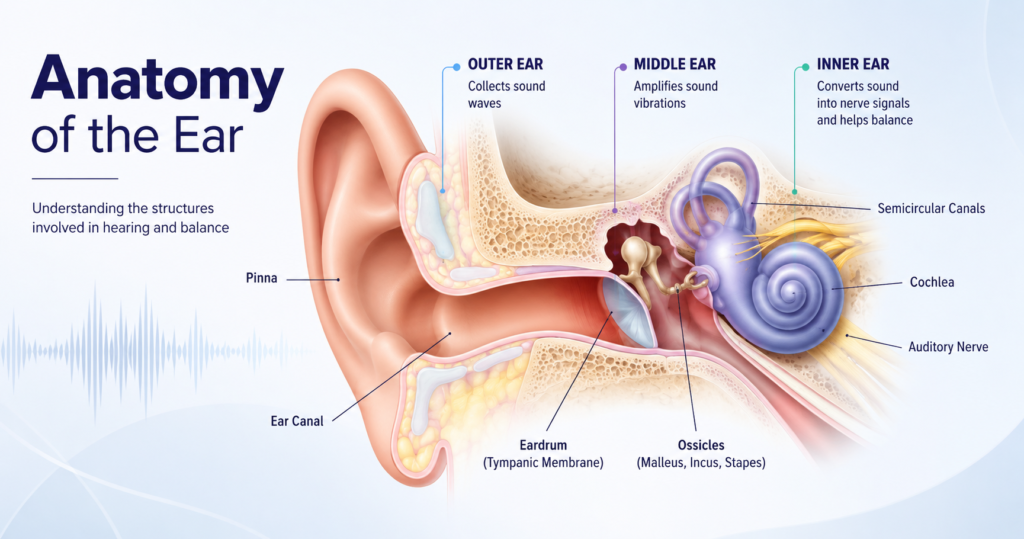
An ENT specialist evaluates tinnitus through a structured assessment designed to identify its underlying cause, not just the symptom itself.
Detailed Medical History
The evaluation begins with a thorough discussion of your symptoms, including when the tinnitus started, whether it affects one or both ears, and how it impacts daily life. Your ENT specialist will also ask about noise exposure, current medications, previous ear problems, and other associated symptoms that may help identify the underlying cause.
Ear Examination
A careful examination of the ears helps detect common causes of tinnitus, such as earwax blockage, middle ear infections, eardrum abnormalities, or other structural problems. In many cases, treating these conditions can significantly improve tinnitus symptoms.
Audiometry (Hearing Test)
A comprehensive hearing test is an essential part of tinnitus assessment. It measures hearing ability across different frequencies and identifies hearing loss patterns commonly associated with tinnitus. The results help guide the most appropriate treatment options.
Tinnitus Matching Tests
In selected cases, specialised tinnitus matching tests are performed to determine the pitch and loudness of the sound the patient hears. This information helps healthcare providers better understand the condition and customize sound therapy or other management strategies.
Blood Pressure Assessment
Checking blood pressure is particularly important in patients with pulsatile tinnitus, where the sound follows the heartbeat. High blood pressure or vascular conditions can contribute to this type of tinnitus and may require further medical evaluation.
MRI or CT Imaging
Imaging studies such as MRI or CT scans are recommended only when clinically indicated. They are typically performed if tinnitus affects only one ear, is associated with hearing loss or neurological symptoms, or when a structural or vascular abnormality is suspected.
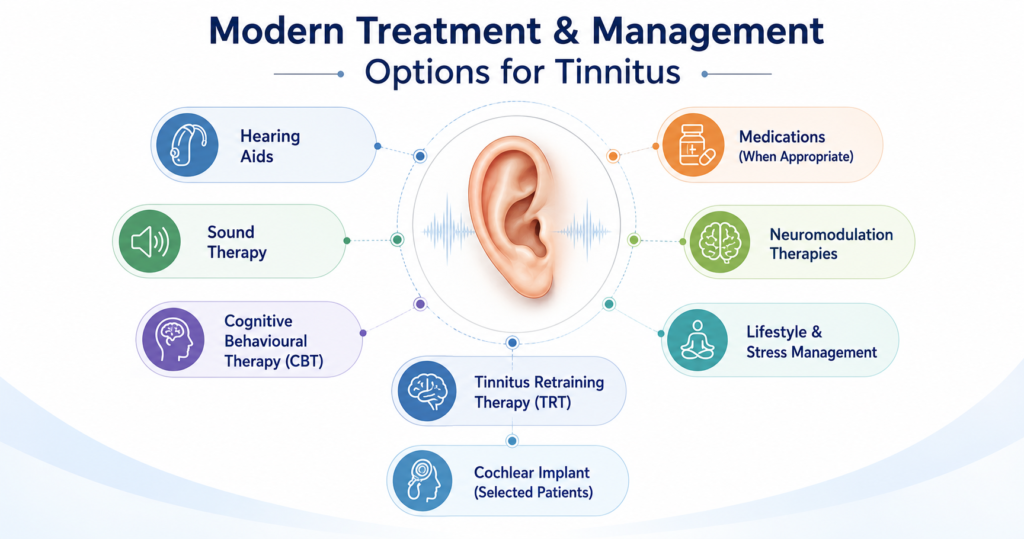
Modern Treatment & Management Options for Tinnitus
Treating the Underlying Cause
The first step in managing tinnitus is identifying and treating the underlying cause whenever possible. Conditions such as earwax buildup, middle ear infections, Eustachian tube dysfunction, or side effects of certain medications can trigger tinnitus. Addressing these issues may significantly reduce symptoms or eliminate tinnitus entirely in some patients.
Hearing Aids for Tinnitus Relief
For people with hearing loss, hearing aids can be highly effective in managing tinnitus. By amplifying external sounds, they reduce the brain’s focus on the ringing or buzzing noise. Many modern hearing aids also include built-in tinnitus masking features, helping patients experience better hearing and improved quality of life.
Sound Therapy
Sound therapy uses gentle background sounds, white noise machines, or specialised sound generators to make tinnitus less noticeable. These external sounds help reduce the contrast between silence and tinnitus, making it easier to concentrate, relax, and sleep. Sound therapy is often recommended as part of a comprehensive tinnitus management plan.
Tinnitus Retraining Therapy (TRT)
Tinnitus Retraining Therapy combines sound therapy with structured counselling to help the brain gradually ignore tinnitus sounds. Over time, patients learn to perceive tinnitus as an unimportant background sound rather than something distressing. TRT can be particularly beneficial for individuals with persistent or bothersome tinnitus.
Cognitive Behavioral Therapy (CBT)
Cognitive Behavioral Therapy does not eliminate tinnitus but helps patients change their emotional response to it. CBT is proven to reduce anxiety, stress, frustration, and sleep disturbances caused by chronic tinnitus. It equips patients with practical coping strategies, allowing them to manage symptoms more effectively in daily life.
Emerging Device-Based Therapies
Researchers are exploring new treatment approaches that combine sound therapy with gentle electrical or nerve stimulation. While many of these therapies are still being studied, early results are encouraging and may provide additional treatment options for patients with chronic tinnitus in the future.
Lifestyle Modifications
Simple lifestyle changes can play an important role in tinnitus management. Reducing stress, limiting caffeine and alcohol, avoiding excessive noise exposure, staying physically active, and maintaining good sleep habits can help minimize tinnitus severity and improve overall well-being.
Personalized Treatment Plans
There is no single treatment that works for every patient with tinnitus. The most successful approach usually involves a personalized treatment plan based on the underlying cause, hearing status, symptom severity, and lifestyle. An ENT specialist can recommend the most appropriate combination of therapies for long-term relief.
When Should You See a Doctor?
While tinnitus is often manageable, certain symptoms call for prompt evaluation. See an ENT specialist if you experience:
- Tinnitus affecting only one ear
- Sudden onset of tinnitus
- Tinnitus following loud noise exposure, head injury, or trauma
- Pulsatile tinnitus that follows your heartbeat
- Tinnitus with dizziness, vertigo, facial weakness, or numbness
- Significant disruption to sleep, concentration, or daily activities
If any of these apply to you, scheduling a consultation for tinnitus treatment with an expert doctor is the right next step
Frequently Asked Questions
1. What are the common symptoms of tinnitus?
Tinnitus is most commonly described as ringing in the ears, but some people may hear buzzing, hissing, clicking, roaring, or whistling sounds. The noise may affect one or both ears and can be constant or intermittent. In some cases, tinnitus may interfere with sleep, concentration, and daily activities.
2. When should I see a doctor for tinnitus?
You should seek medical evaluation if tinnitus is persistent, occurs suddenly, affects only one ear, or is accompanied by hearing loss, dizziness, or balance problems. Tinnitus associated with sudden hearing loss or neurological symptoms requires prompt medical attention to identify and treat the underlying cause.
3. How is tinnitus diagnosed?
Diagnosis begins with a detailed medical history and ear examination. An ENT specialist may recommend hearing tests (audiometry), tinnitus pitch and loudness matching, or imaging studies such as MRI when specific underlying conditions are suspected. Identifying the cause is essential for selecting the most appropriate tinnitus treatment.
4. What tests are commonly performed to evaluate tinnitus?
Common diagnostic tests include pure-tone audiometry, tympanometry, and other hearing assessments to evaluate ear function. In certain situations, imaging studies such as MRI or CT scans may be advised to rule out structural abnormalities, especially when tinnitus is unilateral or associated with additional neurological symptoms.
5. What treatment options are available for tinnitus?
Tinnitus treatment depends on the underlying cause. Management options may include treating earwax blockage or infections, hearing aids for associated hearing loss, sound therapy, tinnitus retraining therapy, counseling, and lifestyle modifications. While there is no single cure for all cases, many patients achieve significant symptom improvement.
6. Can tinnitus go away on its own?
Temporary tinnitus caused by noise exposure, ear infections, or certain medications may resolve once the underlying issue is addressed. However, chronic tinnitus may persist for months or longer. Early evaluation and appropriate treatment can help reduce symptoms, improve quality of life, and prevent complications such as sleep disturbances and anxiety.