
When people think about sore throats, they usually associate them with winter. However, a summer sore throat and throat dryness are surprisingly common during the hotter months.
As temperatures rise, your body loses more fluids through sweating. Combined with hot weather, air conditioning, dust exposure, allergies, and cold beverages, this can leave your throat dry, irritated, and vulnerable to inflammation.
Many people ignore these symptoms, assuming they will improve on their own. While mild throat irritation often resolves with hydration and rest, persistent symptoms may indicate an underlying condition that requires medical attention.
In this blog, we’ll explore why summer heat affects your throat, common symptoms to watch for, effective prevention tips, and when it’s time to consult an ENT specialist.
Quick Answer: Can Summer Heat Cause a Sore Throat?
Yes. Summer heat can cause a sore throat due to dehydration, hot and dry air, excessive use of air conditioning, dust exposure, and allergies. These factors reduce moisture in the throat, leading to irritation, inflammation, and discomfort.
Key Takeaways
- Summer heat can dry out the throat and increase irritation.
- Dehydration is one of the most common causes of throat dryness during hot weather.
- Air conditioning can reduce indoor humidity levels and worsen throat discomfort.
- Dust, pollen, and pollution can trigger allergic throat symptoms.
- Persistent throat pain lasting more than a week should be evaluated by an ENT specialist.
Why Does Summer Heat Affect Your Throat?
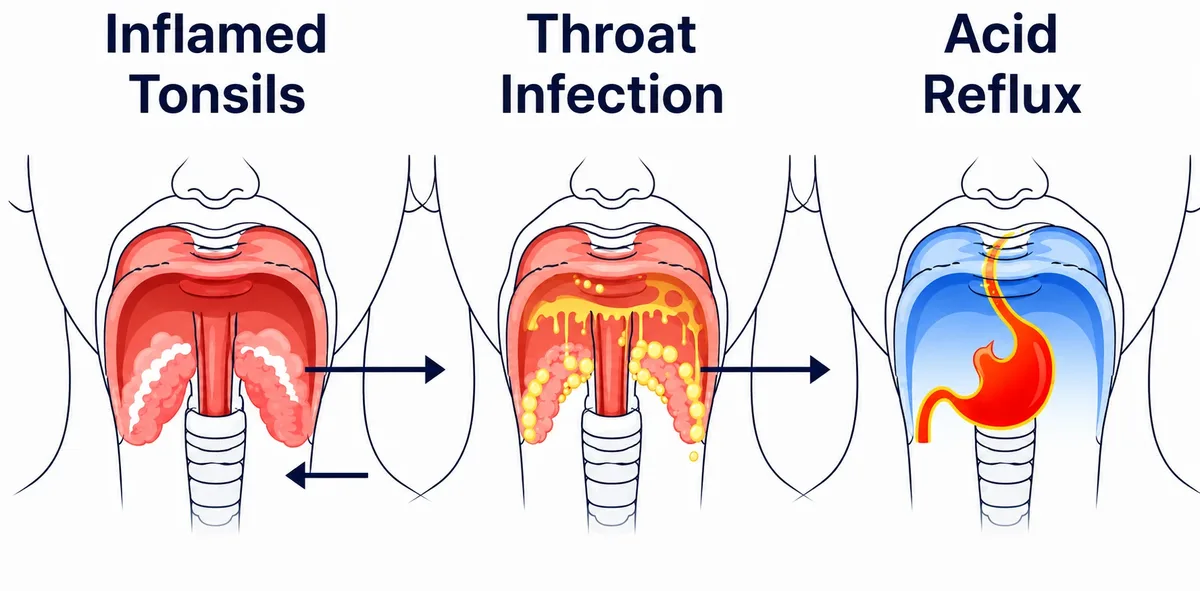
Your throat contains delicate tissues that rely on adequate moisture to remain healthy. During summer, several environmental factors can disrupt this balance.
1. Dehydration
Hot weather causes excessive sweating, leading to fluid loss. When your body becomes dehydrated, saliva production decreases, causing the throat to become dry and irritated.
Common signs of dehydration include:
- Dry mouth
- Increased thirst
- Headaches
- Fatigue
- Scratchy throat
2. Hot and Dry Air
Exposure to high temperatures and dry air can irritate the lining of the throat. People who spend long hours outdoors often experience throat discomfort due to continuous exposure to heat and environmental irritants.
3. Excessive Air Conditioner Use
Air conditioners provide relief from the heat but also reduce indoor humidity levels. This lack of moisture can contribute to:
- Dry throat
- Dry nose
- Morning throat irritation
- Hoarseness
4. Dust and Allergens
During summer, winds often carry dust, pollen, and other airborne particles that can irritate the throat. These irritants may trigger allergic reactions, leading to throat inflammation, itching, and frequent throat clearing.
5. Sudden Temperature Changes
Consuming very cold beverages immediately after prolonged exposure to intense heat may temporarily irritate sensitive throat tissues and worsen existing throat discomfort.
HSummer Throat Dryness vs. Throat Infection
| Feature | Summer Throat Dryness | Throat Infection |
| Main Cause | Heat, dehydration, AC exposure | Viral or bacterial infection |
| Fever | Usually absent | Common |
| Pain Severity | Mild to moderate | Moderate to severe |
| White Patches | Rare | May be present |
| Swollen Tonsils | Uncommon | Common |
| Treatment | Hydration and self-care | Medical evaluation may be required |
| Recovery Time | A few days | Several days to weeks |
Understanding the difference can help determine whether simple home care is sufficient or professional medical evaluation is needed.
Common Symptoms of Summer-Related Throat Problems
Symptoms may include:
- Persistent throat dryness
- Scratchy throat
- Sore throat
- Difficulty swallowing
- Hoarseness
- Frequent throat clearing
- Bad breath
- Mild fever
- Swollen tonsils
- Voice changes
If symptoms continue despite proper hydration and self-care, further evaluation may be necessary.
Myth vs. Fact: Summer Sore Throat
| Myth | Fact |
| Sore throats only occur during winter. | Summer heat and dehydration can also cause throat irritation. |
| Cold drinks directly cause infections. | Cold drinks may irritate the throat but do not directly cause infections. |
| A dry throat is always harmless. | Persistent dryness may indicate allergies, reflux, or infection. |
| Drinking less water doesn’t affect throat health. | Dehydration is one of the leading causes of summer throat dryness. |
How to Prevent a Summer Sore Throat
Stay Hydrated
Drink sufficient water throughout the day to maintain moisture levels in your throat and body.
Healthy hydration options include:
- Water
- Coconut water
- Buttermilk
- Lemon water
Limit Excessive Air Conditioning
Avoid extremely low AC temperatures and consider using a humidifier if you spend long periods in air-conditioned environments.
Protect Yourself From Dust
Wearing a mask outdoors can help reduce exposure to dust, pollen, and other airborne irritants.
Gargle With Warm Salt Water
Warm saltwater gargles may help soothe irritation and reduce throat inflammation.
Avoid Smoking
Smoking dries out throat tissues and can worsen irritation and inflammation.
Rest Your Voice
People who use their voice professionally should avoid excessive speaking when experiencing throat discomfort.
What Happens If You Ignore Persistent Throat Symptoms?
Ignoring ongoing throat problems can sometimes lead to:
- Chronic throat inflammation
- Recurrent infections
- Voice strain
- Sleep disturbances
- Difficulty swallowing
- Delayed diagnosis of underlying ENT conditions
Seeking timely medical advice can help prevent complications and improve recovery.
Expert Insight
“Many people associate sore throats only with winter illnesses. However, dehydration, dry air from air conditioning, and exposure to dust and allergens are common reasons for throat irritation during summer. Persistent symptoms should be evaluated to identify any underlying ENT condition.”
Dr. Sudarshen Ahire, ENT Specialist
When Should You See an ENT Specialist?
You should seek medical attention if:
- Symptoms last longer than 7 days
- Throat pain becomes severe
- You have difficulty swallowing
- Breathing becomes difficult
- Voice changes persist for more than two weeks
- Symptoms keep recurring
- You develop neck swelling
- Blood appears in saliva
If throat symptoms are associated with recurrent tonsil infections, persistent voice changes, or swallowing difficulties, an ENT evaluation can help identify the underlying cause and recommend appropriate treatment.
These symptoms may indicate conditions such as tonsillitis, pharyngitis, laryngitis, allergies, or acid reflux affecting the throat.
A summer sore throat is more common than many people realize. Dehydration, excessive air conditioning, exposure to dust, and seasonal allergies can all contribute to throat dryness and irritation during hot weather. While most cases improve with adequate hydration and simple self-care measures, persistent or severe symptoms should not be ignored. Early evaluation by an ENT specialist can help identify underlying conditions and prevent complications.
Frequently Asked Questions
Can summer heat cause a sore throat?
Yes. Summer heat can contribute to a sore throat by causing dehydration and reducing moisture in the throat. Excessive sweating, prolonged exposure to hot weather, and spending time in dry indoor environments can irritate throat tissues and lead to discomfort.
Why does my throat feel dry during summer?
A dry throat during summer is commonly caused by dehydration, hot weather, air conditioning, dust exposure, and seasonal allergies. When the body loses fluids through sweating, saliva production decreases, making the throat feel dry, scratchy, or irritated.
Can dehydration lead to throat irritation?
Yes. Dehydration is one of the most common causes of throat dryness and irritation during hot weather. Reduced fluid levels decrease the natural lubrication of the throat, leading to discomfort, a scratchy sensation, and sometimes mild pain when swallowing.
Does air conditioning make throat dryness worse?
Air conditioning can lower indoor humidity levels and remove moisture from the air. Prolonged exposure to dry, air-conditioned environments may cause throat dryness, nasal irritation, hoarseness, and morning throat discomfort.
How can I tell the difference between a dry throat and a throat infection?
A dry throat caused by heat or dehydration usually improves with hydration and rest and is not typically associated with fever or swollen tonsils. A throat infection is more likely to cause significant pain, fever, swollen glands, white patches on the tonsils, and persistent symptoms that may require medical evaluation.
How long does a summer sore throat usually last?
Most cases of summer-related throat irritation improve within a few days once hydration levels are restored and environmental triggers are reduced. If symptoms persist for more than a week, worsen over time, or interfere with swallowing and speaking, an ENT evaluation is recommended.
Can allergies cause throat problems during summer?
Yes. Seasonal allergies triggered by dust, pollen, and airborne irritants can cause throat inflammation, itching, frequent throat clearing, and a persistent sensation of throat discomfort. Managing allergies often helps relieve these symptoms.
When should I see an ENT specialist for a sore throat?
You should consult an ENT specialist if your sore throat lasts longer than seven days, becomes severe, causes difficulty swallowing or breathing, leads to persistent voice changes, or repeatedly returns despite home care and hydration.
Can hot weather cause throat dryness even if I am not sick?
Yes. Hot weather can cause throat dryness even in the absence of infection. Increased sweating and fluid loss reduce saliva production, leaving the throat less lubricated and more susceptible to irritation.
What are the best ways to prevent throat dryness during summer?
Staying well hydrated, limiting prolonged exposure to air conditioning, avoiding smoking, reducing exposure to dust and allergens, and using a humidifier when needed can help prevent throat dryness and irritation during summer.