
Many people wake up every day with repeated sneezing, a runny nose, or nasal congestion. If you regularly experience these symptoms soon after getting out of bed, Allergic Rhinitis could be the reason.
Morning sneezing is often triggered by allergens present in your bedroom, such as dust mites, pet dander, mold spores, or pollen that accumulates overnight. Understanding the cause is the first step toward finding long-term relief.
For patients in Nashik experiencing persistent nasal allergies, an evaluation by an ENT specialist can help identify triggers and develop an effective treatment plan.
Key Takeaways
- Daily morning sneezing is often a sign of Allergic Rhinitis, not just a habit or seasonal issue.
- Common bedroom allergens – dust mites, pet dander, mold, and pollen, are the most frequent triggers.
- Proper diagnosis by an ENT specialist helps identify your specific trigger and the right treatment.
- With the correct management, symptoms can be controlled and sleep and quality of life improved.
What Is Allergic Rhinitis?
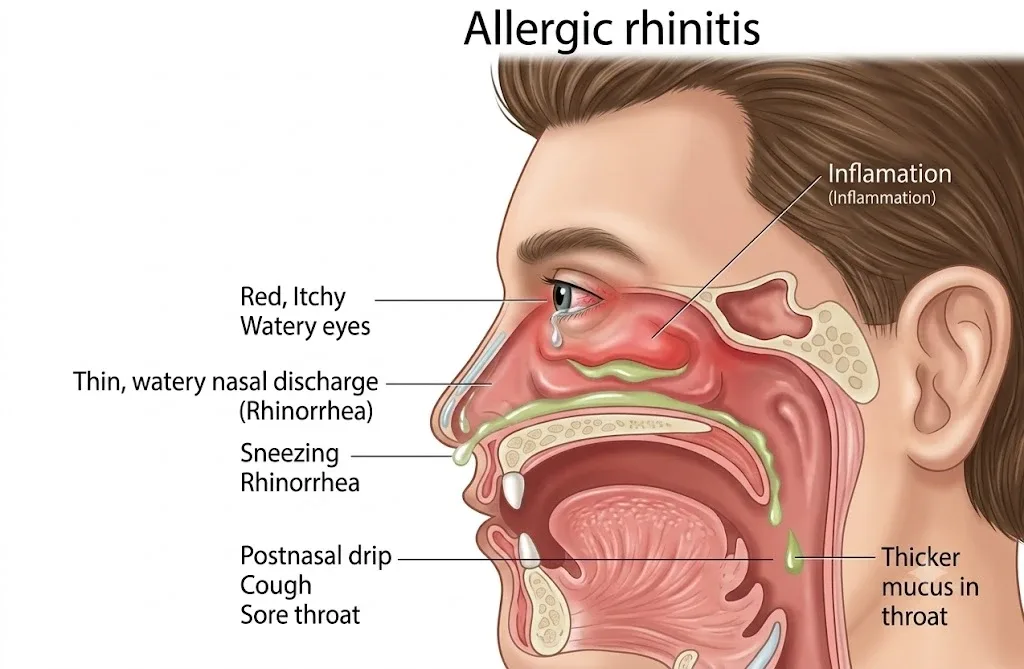
Allergic Rhinitis is an allergic reaction that occurs when the immune system overreacts to harmless airborne substances such as pollen, dust mites, mold, or pet dander.
This reaction causes inflammation inside the nose, leading to symptoms like sneezing, nasal congestion, runny nose, and itching. It is one of the most common chronic allergic conditions worldwide.
Why Do I Sneeze Every Morning?
Morning sneezing commonly occurs because allergens accumulate in the sleeping environment and trigger an immune response when you wake up.
Several factors can contribute to this pattern.
Common Causes of Morning Sneezing
1. Dust Mites in Bedding
Dust mites are microscopic organisms that thrive in mattresses, pillows, blankets, and carpets.
When you sleep, prolonged exposure to dust mite allergens can irritate the nasal lining and trigger Allergic Rhinitis symptoms upon waking.
2. Pet Dander
If pets sleep in your bedroom, tiny skin flakes and fur particles can accumulate on bedding and furniture.
These allergens can trigger sneezing and nasal congestion during the early morning hours.
3. Mold Exposure
Bathrooms, humid rooms, air conditioners, and poorly ventilated areas can promote mold growth.
Mold spores become airborne and may worsen allergy symptoms, especially overnight.
4. Pollen Exposure
Seasonal pollen can enter the home through open windows, clothing, or air circulation systems.
Individuals with pollen allergies often notice increased sneezing in the morning.
5. Bedroom Irritants
Other triggers include:
- Perfumes
- Room fresheners
- Incense sticks
- Cigarette smoke
- Strong cleaning products
These irritants can aggravate sensitive nasal passages and mimic allergy symptoms.
Symptoms to Watch For
Morning sneezing is often accompanied by other signs of Allergic Rhinitis.
Common symptoms include:
- Frequent sneezing, especially after waking up
- Runny nose
- Nasal congestion
- Itchy nose
- Itchy or watery eyes
- Postnasal drip
- Throat irritation
- Reduced sense of smell
- Fatigue due to disturbed sleep
- Mouth breathing caused by nasal blockage
Symptoms may be seasonal or present throughout the year depending on the trigger.
How Is Allergic Rhinitis Diagnosed?
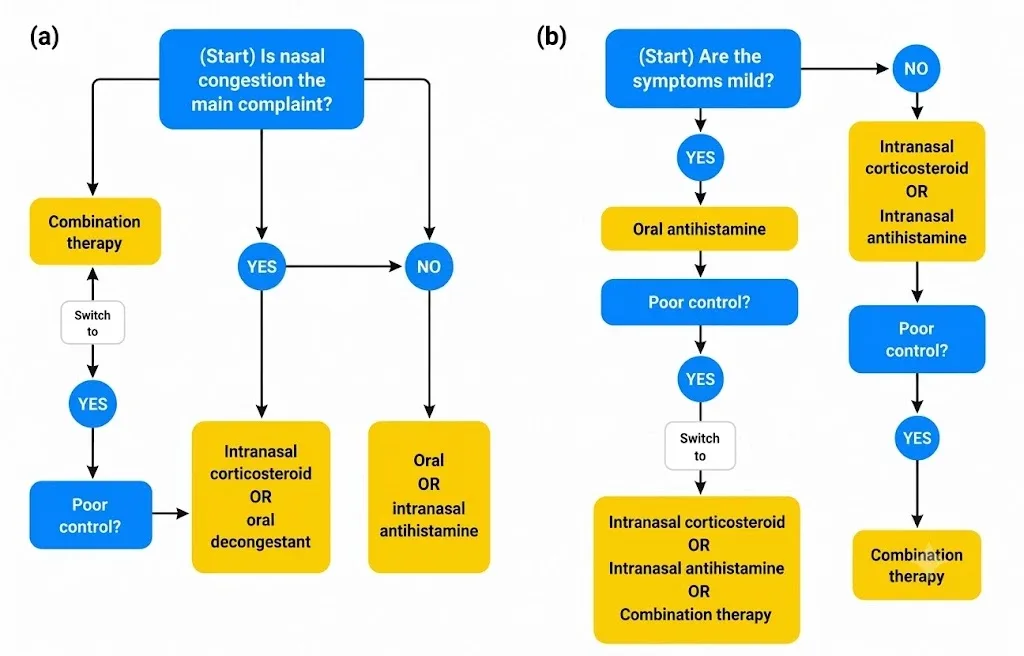
Diagnosis involves identifying symptoms, allergy triggers, and ruling out other nasal conditions.
An ENT specialist evaluates:
Medical History
Your doctor may ask:
- When symptoms occur
- Whether symptoms worsen in specific environments
- Family history of allergies
- Exposure to pets, dust, or pollen
Physical Examination
A detailed examination of the nose and throat helps identify signs of inflammation, swelling, or structural problems.
Nasal Endoscopy
In some cases, a nasal endoscopy may be recommended to examine the nasal passages and sinuses more closely.
Allergy Testing
Allergy testing can help identify specific allergens responsible for symptoms.
This may include:
- Skin prick testing
- Blood allergy tests
At his practice in Nashik, Dr. Sudarshen Ahire, ENT Specialist, evaluates patients with chronic nasal allergies and recurring sneezing to determine the underlying cause and recommend appropriate management.
Treatment and Management Options
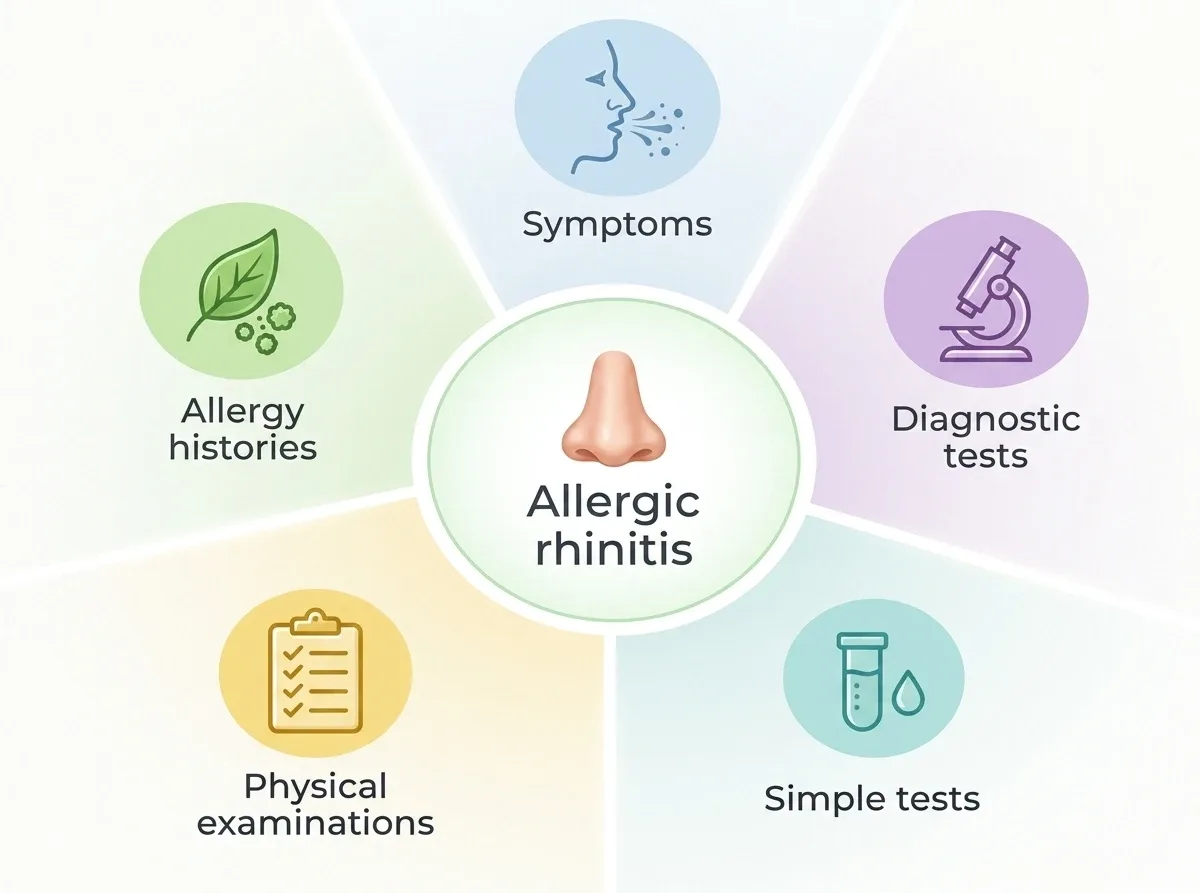
The best treatment for Allergic Rhinitis depends on symptom severity and the specific allergens involved.
1. Avoiding Allergy Triggers
Reducing allergen exposure often provides significant relief.
Helpful measures include:
- Wash bedding weekly in hot water
- Use dust mite-proof pillow and mattress covers
- Vacuum carpets regularly
- Keep pets out of bedrooms
- Use air purifiers when appropriate
- Maintain proper indoor humidity
2. Saline Nasal Irrigation
Saline rinses help remove allergens, mucus, and irritants from the nasal passages.
Many patients experience reduced congestion and improved nasal breathing with regular use.
3. Medications
Depending on symptoms, treatment may include:
- Antihistamines
- Nasal corticosteroid sprays
- Decongestants (short-term use)
- Leukotriene receptor antagonists
Treatment should always be guided by a healthcare professional.
4. Allergy Immunotherapy
For patients with persistent symptoms that do not respond adequately to medications, allergy immunotherapy may be considered.
This treatment gradually reduces sensitivity to specific allergens over time.
5. Managing Associated Conditions
Conditions such as:
- Chronic sinusitis
- Nasal polyps
- Deviated nasal septum
- Asthma
may worsen symptoms and require additional treatment.
Can Allergic Rhinitis Affect Sleep?
Yes. Allergic Rhinitis can significantly impact sleep quality.
Nasal congestion often causes:
- Difficulty falling asleep
- Frequent nighttime awakenings
- Snoring
- Daytime fatigue
- Poor concentration
Managing nasal allergies effectively can improve both breathing and sleep quality.
When Should You See a Doctor?
You should seek medical evaluation if symptoms are frequent, severe, or affecting daily life.
Consult an ENT specialist if you experience:
- Symptoms lasting several weeks
- Persistent nasal blockage
- Frequent sinus infections
- Difficulty sleeping due to congestion
- Reduced sense of smell
- Symptoms not improving with over-the-counter treatments
- Recurrent headaches associated with nasal symptoms
Early diagnosis helps prevent complications and improves long-term symptom control.
If you find yourself sneezing every morning, don’t ignore it as a minor inconvenience. Persistent symptoms may indicate Allergic Rhinitis, a common but manageable condition. Identifying allergy triggers and receiving the right treatment can help you breathe comfortably, sleep better, and improve your overall quality of life.
If you are experiencing ongoing allergy symptoms in Nashik, consult Dr. Sudarshen Ahire for a comprehensive evaluation and personalized treatment plan.
Frequently Asked Questions (FAQs)
Why do I sneeze multiple times every morning?
Repeated morning sneezing is often caused by exposure to allergens such as dust mites, pollen, mold, or pet dander during sleep.
Is morning sneezing always due to Allergic Rhinitis?
No. Morning sneezing can also occur due to viral infections, non-allergic rhinitis, irritants, temperature changes, or structural nasal problems.
Can Allergic Rhinitis go away on its own?
Symptoms may improve when allergen exposure decreases, but many individuals require long-term allergy management and trigger avoidance.
What is the most common trigger for morning sneezing?
Many people wake up sneezing because microscopic dust mites accumulate in bedding materials and can trigger allergic reactions during sleep.
Can Allergic Rhinitis cause headaches?
Yes. Nasal congestion and sinus pressure associated with Allergic Rhinitis can contribute to headaches in some individuals.
Should I see an ENT specialist for recurring morning sneezing?
Yes. If symptoms are frequent, persistent, or affecting sleep and daily activities, an ENT specialist can identify the cause and recommend appropriate treatment.