
Quick Answer
Adults may benefit from tonsil removal if they experience recurrent tonsillitis, repeated peritonsillar abscesses, sleep apnea caused by enlarged tonsils, persistent tonsil stones, or suspicious tonsil enlargement. The decision depends on symptom frequency, severity, and a thorough clinical evaluation by an ENT specialist.
Key Takeaways
- Adult tonsillectomy is safe and effective when medically indicated
- Recurrent tonsillitis is evaluated using the Paradise Criteria
- A second peritonsillar abscess usually means surgery is needed
- One enlarged tonsil in an adult always requires specialist assessment
- Recovery takes 10–14 days, with days 4–7 being the most uncomfortable
- Tonsil removal does not weaken the immune system in adults
- Bleeding after tonsillectomy requires immediate medical attention
What Are Tonsils and What Do They Do?
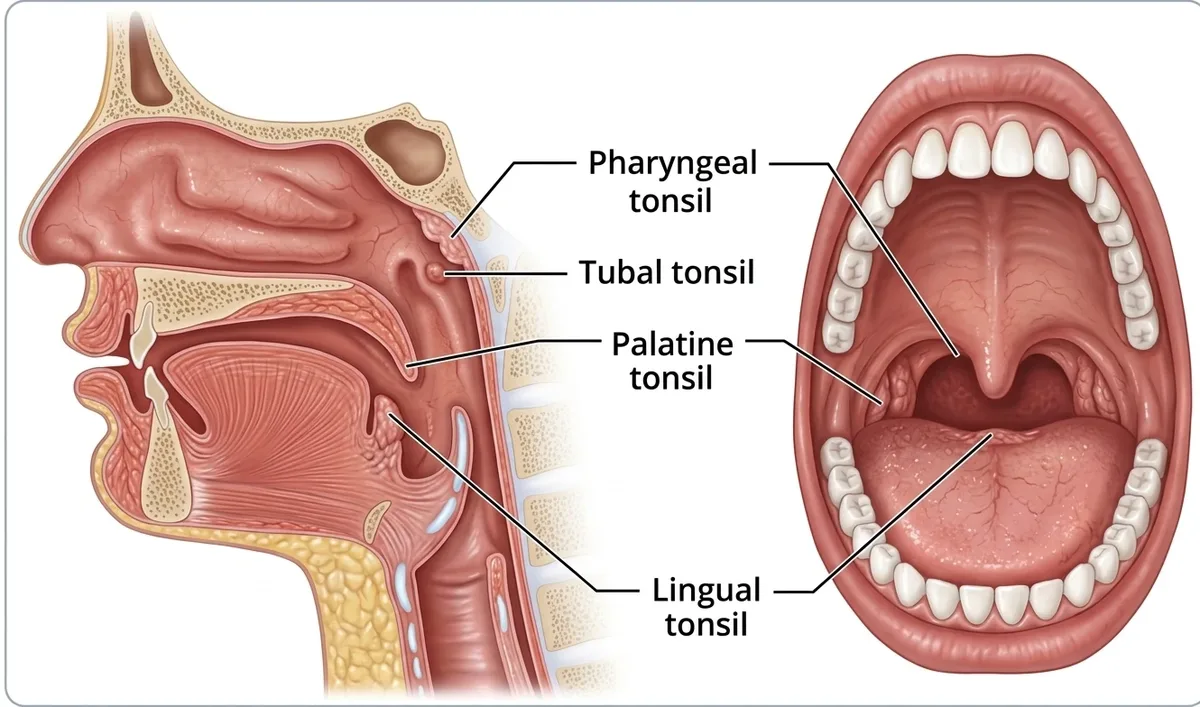
Tonsils are two small pads of lymphatic tissue sitting at the back of your throat. In childhood, they act as the body’s first line of defence, helping to detect and fight off bacteria and viruses that enter through the mouth and nose.
When Should Adults Consider Tonsil Removal?
Not every sore throat is a reason for surgery. For most adults, occasional throat infections settle with rest, fluids, and antibiotics, and that is perfectly normal. Surgery becomes worth considering when tonsil-related problems start to follow a pattern, returning frequently, failing to respond to treatment, or directly affecting your ability to sleep, eat, swallow, or breathe comfortably.
Below are the six medical conditions where ENT specialists most commonly recommend tonsillectomy in adults.
Six Medical Reasons Adults May Need Tonsil Removal
1. Recurrent Tonsillitis
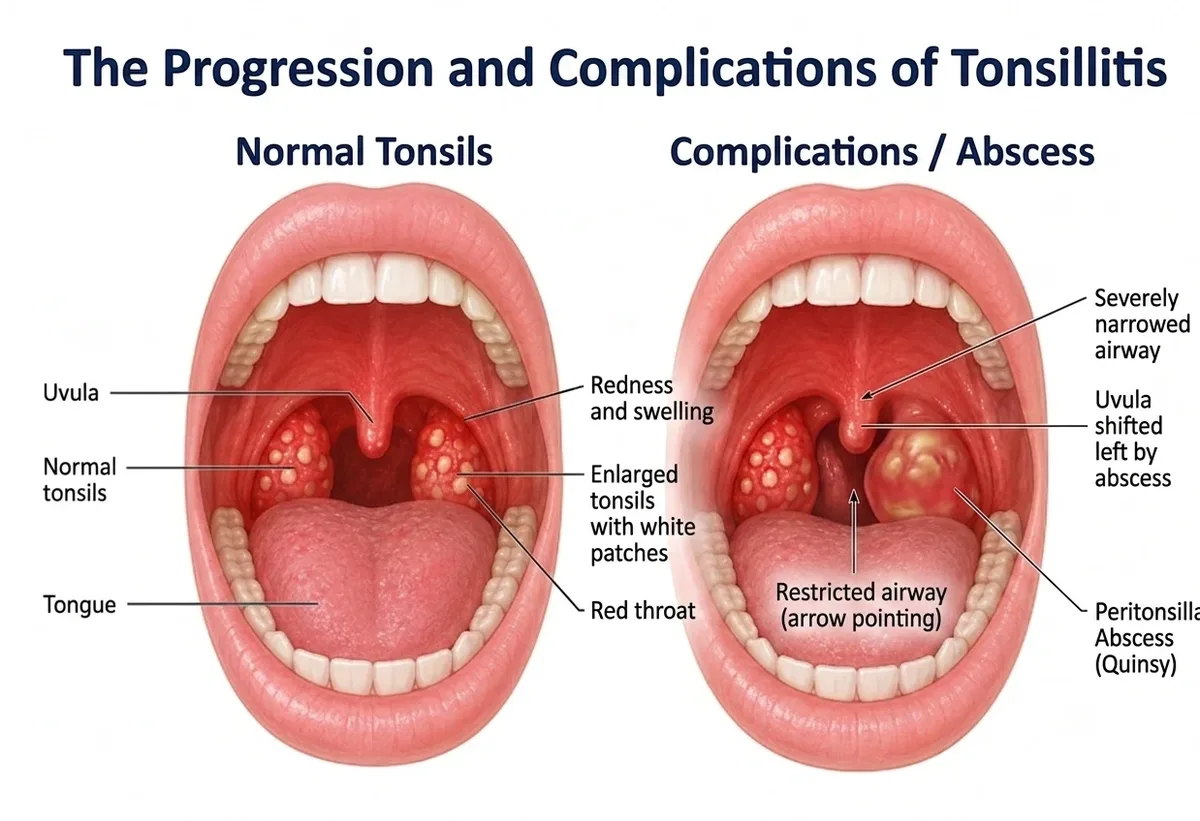
Tonsillitis becomes a concern when infections keep returning and start affecting your daily life. ENT specialists use the Paradise Criteria to determine when tonsillectomy is appropriate:
- 7 or more infections in one year
- 5 or more infections per year for two consecutive years
- 3 or more infections per year for three consecutive years
These should be documented infections involving symptoms such as fever, swollen tonsils, difficulty swallowing, and the need for antibiotic treatment. Surgery may also be considered when infections persist despite treatment or significantly affect quality of life.
2. Obstructive Sleep Apnea Linked to Enlarged Tonsils
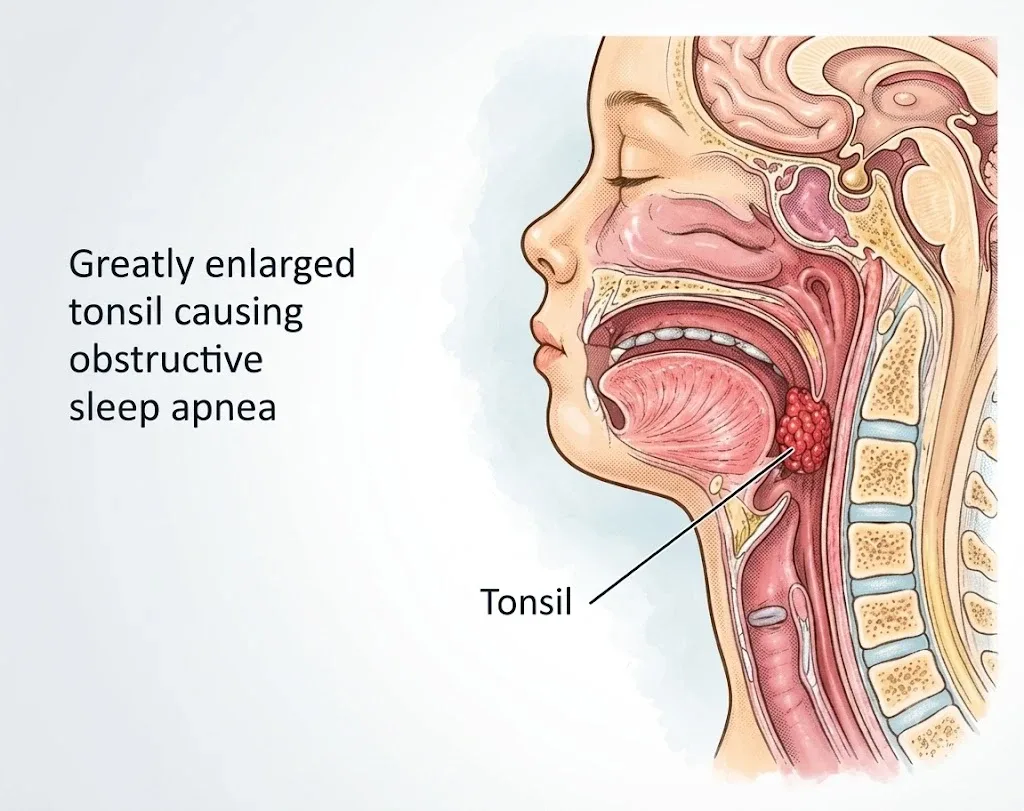
Obstructive sleep apnea occurs when the airway repeatedly becomes blocked during sleep, causing pauses in breathing. Common signs include loud snoring, gasping during sleep, restless nights, and daytime tiredness. Left untreated, it can increase the risk of high blood pressure, heart disease, and poor concentration.
In some adults, enlarged tonsils contribute to airway obstruction. When a sleep study confirms obstructive sleep apnea and enlarged tonsils are identified as a cause, tonsillectomy may be recommended to improve breathing and sleep quality.
3. Peritonsillar Abscess (Quinsy)
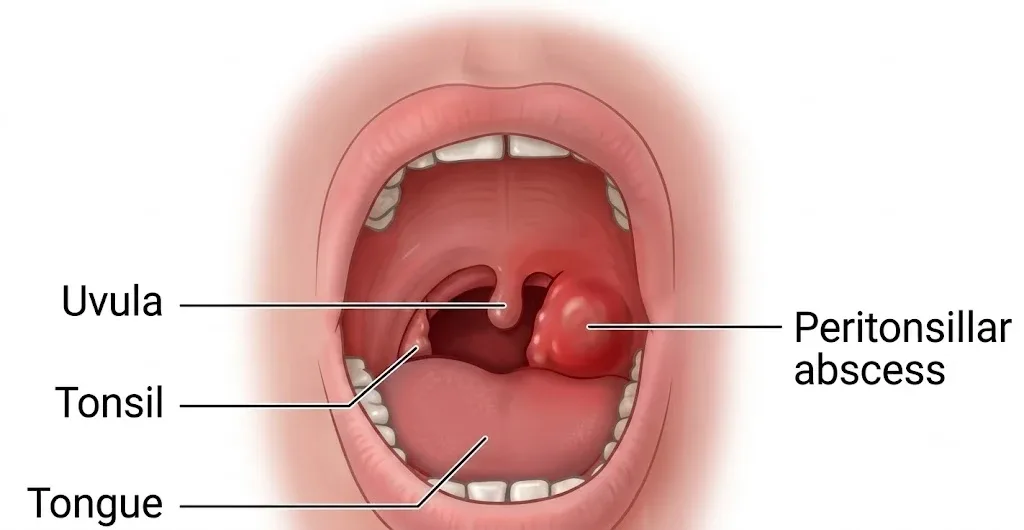
A peritonsillar abscess, also called quinsy, is not simply a bad case of tonsillitis. It is a serious infection where a pocket of pus forms in the tissue directly surrounding one of the tonsils. It does not resolve on its own and requires urgent medical treatment, including drainage of the abscess, antibiotics, and sometimes a short hospital stay.
The symptoms are hard to miss. Most people experience:
- Severe pain on one side of the throat
- Difficulty and pain when swallowing
- Trouble opening the mouth fully
- A muffled or “hot potato” voice
- High fever and feeling generally unwell
- Visible swelling pushing one tonsil toward the centre of the throat
The first peritonsillar abscess is usually treated with drainage and antibiotics. However, if the abscess recurs, tonsillectomy is often recommended to prevent further infections and reduce the risk of complications.
4. Abnormal or Asymmetric Tonsil Enlargement
If you notice that one tonsil looks noticeably larger than the other, and there is no active throat infection to explain it, this should be assessed by an ENT specialist without delay.
- One tonsil significantly larger than the other with no obvious cause
- A painless lump in the neck
- Persistent pain in one ear without any ear infection
- Unexplained changes in your voice
- An ulcer, unusual texture, or abnormal appearance on the tonsil surface
In these situations, your doctor may recommend further tests or a biopsy to rule out any serious condition. Early assessment matters because the sooner a diagnosis is made, the more effective treatment is likely to be.
5. Chronic Tonsil Stones
Tonsil stones (tonsilloliths) develop when food debris, bacteria, and dead cells become trapped in the natural crevices of the tonsils and harden over time. While often harmless, they can cause persistent symptoms such as:
- Persistent bad breath that does not improve with brushing or mouthwash
- A constant feeling that something is stuck at the back of the throat
- Throat irritation and mild discomfort
- Repeated episodes despite attempts at self-care or removal
When tonsil stones recur frequently and affect quality of life, tonsillectomy may be recommended. Removing the tonsils eliminates the pockets where stones form, providing a permanent solution.
6. Enlarged Tonsils Causing Swallowing or Breathing Problems
In some adults, enlarged tonsils can become large enough to obstruct the throat and interfere with normal swallowing or breathing. Symptoms may include:
- Difficulty swallowing solid foods, or needing to chew more carefully than usual
- A persistent feeling of pressure or fullness at the back of the throat
- Noisy or laboured breathing, particularly when lying down
- Disrupted sleep due to partial airway narrowing
When a clinical examination confirms that enlarged tonsils are directly causing these problems, tonsillectomy can provide significant and lasting relief, improving both comfort and quality of life.
Do All Adults With Tonsil Problems Need Surgery?
No. Many adults experience occasional tonsil infections that respond well to treatment and do not require surgery. Conservative management is often appropriate when infections are infrequent and have little impact on daily life. This may include:
- Antibiotic treatment when a bacterial infection is confirmed
- Adequate rest and hydration during episodes
- Managing underlying allergies that contribute to throat irritation
- Quitting smoking, which can worsen tonsil inflammation
- Regular monitoring if symptoms change over time
An ENT evaluation can help determine whether ongoing medical treatment is sufficient or if tonsillectomy is the most appropriate long-term solution.
Surgery Indicated vs. Not Indicated
| Situation | Recommended Approach |
| 7+ confirmed tonsillitis episodes in 12 months | Tonsillectomy strongly indicated |
| 5+ episodes per year for two consecutive years | Tonsillectomy indicated, Paradise Criteria met |
| 3+ episodes per year for three consecutive years | Tonsillectomy indicated, Paradise Criteria met |
| Infrequent infections, fully resolved with treatment | Conservative management, no surgery needed |
| First peritonsillar abscess | Drainage, antibiotics, observation |
| Second peritonsillar abscess | Tonsillectomy strongly recommended |
| Sleep apnea with enlarged tonsils confirmed | Tonsillectomy as part of treatment plan |
| One tonsil visibly larger, no active infection | Urgent ENT evaluation, possible biopsy |
| Chronic tonsil stones affecting quality of life | Tonsillectomy provides a permanent solution |
| Enlarged tonsils causing confirmed obstruction | Tonsillectomy for functional relief |
| Occasional sore throat, clears with rest | No surgery indicated |
What Is Adult Tonsillectomy Recovery Really Like?
Adult tonsillectomy recovery typically takes 10–14 days and is generally more challenging than recovery in children. Knowing what to expect at each stage can help you prepare and manage the recovery process more comfortably .
Getting Through the First Stage
Throat pain begins immediately after surgery but is usually manageable with prescribed pain medication. This is the time to rest completely, stay well hydrated, and avoid physical exertion. Cold fluids and ice lollies may help soothe the throat and reduce discomfort.
The Most Challenging Phase
This is usually the most challenging stage of recovery. As the throat heals, scabs form at the surgical site, and swallowing may become more painful. Staying hydrated and taking pain medication as prescribed can help manage discomfort and support healing.
Gradual Improvement
The scabs begin to separate naturally as the throat continues to heal. A temporary increase in discomfort and small spots of blood may occur during this stage and are usually normal. However, persistent bleeding or bright red bleeding requires immediate medical attention.
Returning to Normal
Most adults experience a significant reduction in pain and can gradually return to their normal diet and daily activities. Energy levels continue to improve as healing progresses over the following days.
Practical Tips for a Smoother Recovery
Stay Hydrated
Drink fluids regularly, as dehydration can slow healing and make throat pain worse.
Choose Soft Foods
Yoghurt, mashed potatoes, soups, scrambled eggs, bananas, and porridge are gentle on the throat during the first two weeks of recovery.
Avoid Irritating Foods
Spicy, acidic, crunchy, or hard foods can aggravate healing tissues and should be avoided until recovery is complete.
Sleep with Your Head Elevated
Keeping your head slightly raised may help reduce swelling and improve comfort while sleeping.
Rest Adequately
Avoid strenuous exercise, heavy lifting, and physically demanding activities for at least the first week.
Take Medications as Prescribed
Follow your surgeon’s instructions carefully and do not skip doses or stop pain medication prematurely, even if you begin to feel better.
Is Ear Pain Normal After Tonsillectomy?
Yes, and many patients find this surprising. Ear pain is very common during tonsillectomy recovery, even though nothing has been done to the ears. It occurs because the throat and ears share the same nerve pathways, so pain signals from the healing throat are felt in the ears as well. It is not a sign of an ear infection or complication, and it usually eases as the throat heals.
When to Seek Emergency Care
While most adults recover without complications, certain symptoms require immediate medical attention. Contact your surgeon or visit the nearest emergency department if you experience:
- Bright red bleeding from the throat at any stage of recovery
- Bleeding that does not stop within a few minutes
- Difficulty breathing
- Signs of severe dehydration such as dizziness, very dark urine, or inability to swallow fluids
Post-tonsillectomy bleeding is uncommon but serious. Do not wait to see if it settles on its own.
Expert Insight
According to Dr. Sudarshen Aahire, ENT Specialist, adult tonsillectomy is most beneficial when recurrent infections, enlarged tonsils, sleep-related breathing problems, or other tonsil conditions significantly affect a person’s health and quality of life. The decision should always be based on a thorough clinical evaluation, symptom severity, and long-term impact rather than occasional throat infections.
Frequently Asked Questions About Adult Tonsil Removal
Is Adult Tonsillectomy Worth It?
Tonsillectomy can significantly improve quality of life for adults with recurrent tonsillitis, sleep apnea, chronic tonsil stones, or recurrent peritonsillar abscesses. An ENT assessment can help determine if surgery is appropriate.
Who Is a Good Candidate for Adult Tonsillectomy?
Adults with recurrent tonsillitis, enlarged tonsils, recurrent abscesses, or persistent tonsil stones may be candidates for tonsillectomy. An ENT evaluation can determine if surgery is appropriate.
Can Adults Get Tonsillitis Even After Having Their Tonsils Removed?
True tonsillitis cannot occur once the tonsils have been completely removed. However, adults may still develop sore throats or throat infections caused by viruses, bacteria, allergies, or other conditions affecting the throat.
At What Age Can Adults Have Tonsil Removal Surgery?
There is no upper age limit for tonsillectomy. Adults of any age may undergo surgery if the benefits outweigh the risks and their overall health allows for a safe procedure. The decision is based on medical need rather than age alone.
Can Tonsil Removal Help With Chronic Bad Breath?
Yes. Chronic bad breath caused by recurrent tonsil stones often improves significantly after tonsillectomy. Removing the tonsils eliminates the crevices where debris and bacteria accumulate, preventing new stones from forming.
How Soon Can I Return to Work After Adult Tonsillectomy?
Most adults require 10 to 14 days away from work following tonsillectomy. Those with physically demanding jobs may need additional recovery time. Your surgeon will advise when it is safe to resume normal activities.
Can Tonsils Grow Back After Removal?
Complete regrowth is uncommon. In rare cases, a small amount of tonsil tissue may remain after surgery and enlarge slightly over time. However, significant regrowth causing symptoms is unusual.